Your path, your choice
Grades 11 and 12, ages fifteen to eighteen.
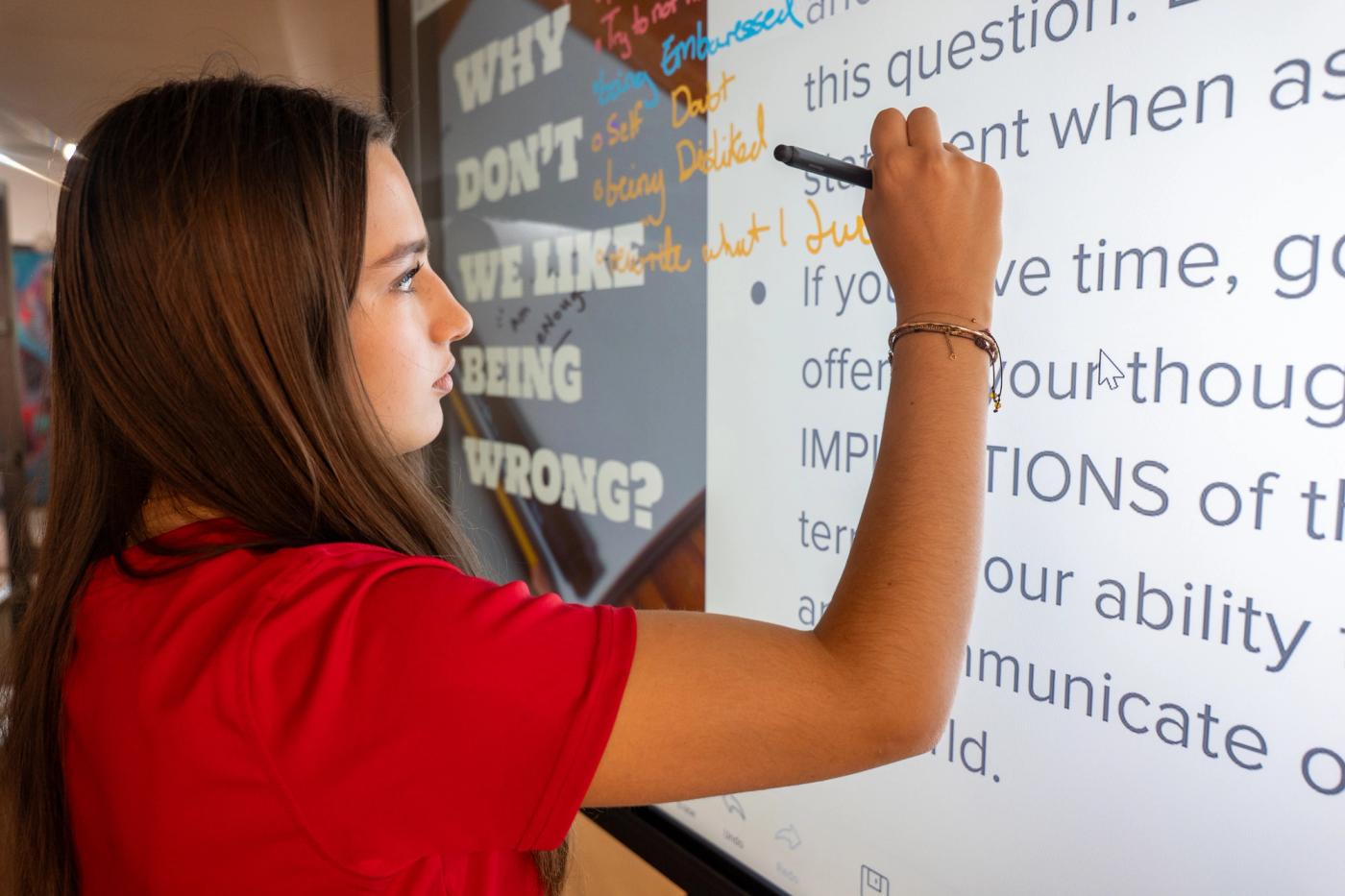
Two diploma paths
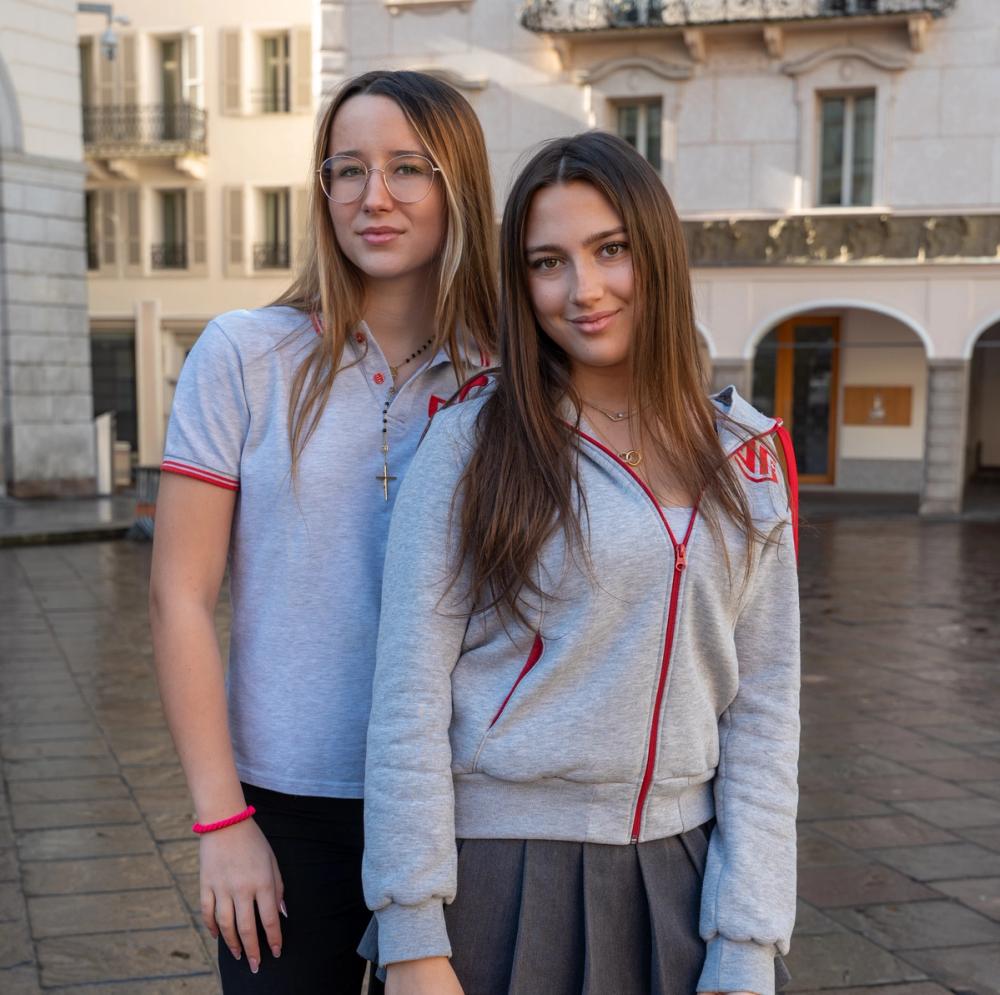
The school is one of the few in Switzerland designed around a dual-curriculum pathway.
In Grade 10, the Pre-DP year, a foundation of academic discovery prepares students to choose the qualification that best aligns with their future - our established A-Levels, or the International Baccalaureate Diploma Programme, which the school is authorized to offer as an IB World School.
The road through the final years
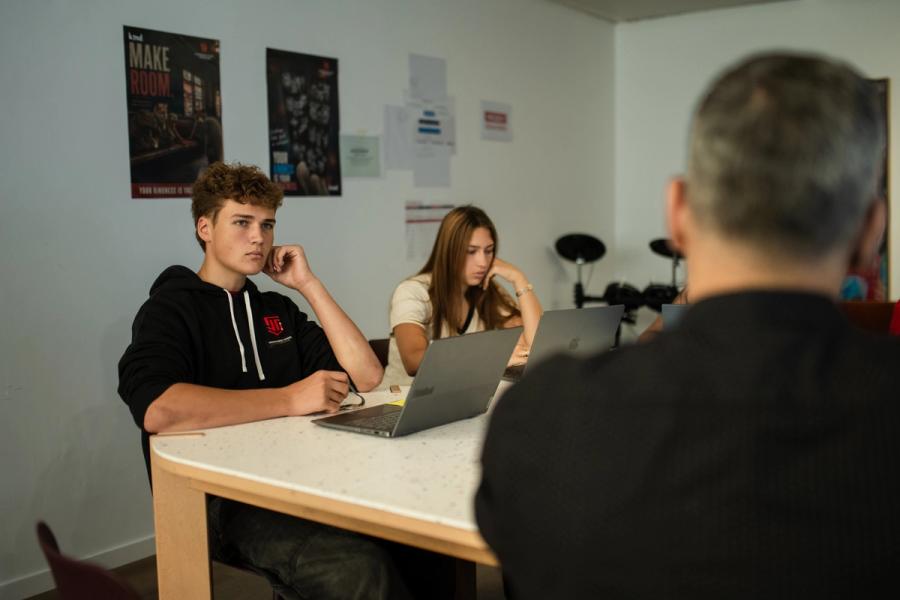
The Pre-DP year
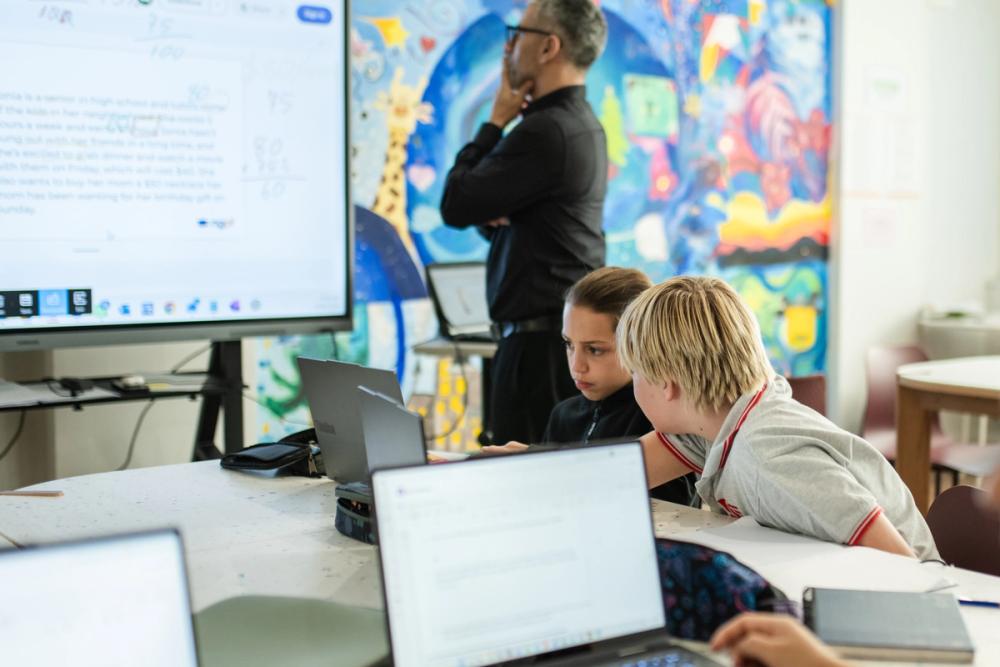
Courses across the sciences, humanities and the arts, and the research, writing and critical thinking skills that support students on either path.
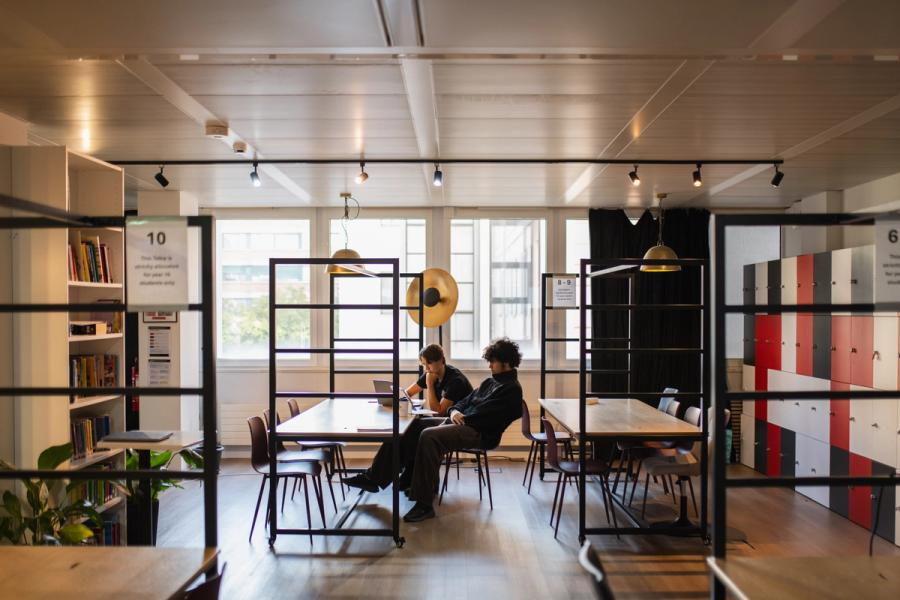
Choosing the right path
Individual guidance: in conversations with school staff, students reflect on their strengths, interests and goals and decide whether A-Levels or the IB Diploma Programme fits them best.
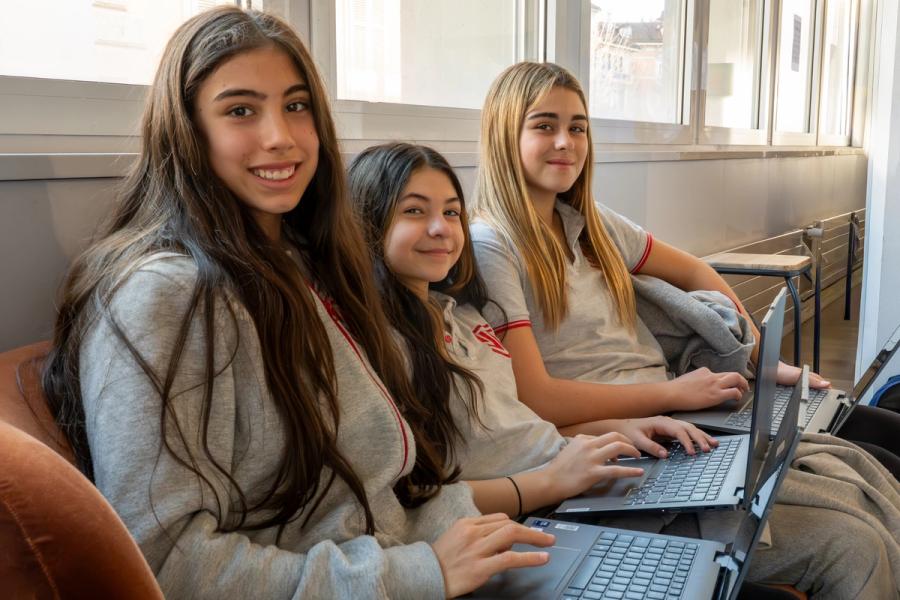
The diploma years
Advanced study through A-Levels or the IB Diploma Programme, with an emphasis on critical thinking, independent research and academic communication in preparation for university.
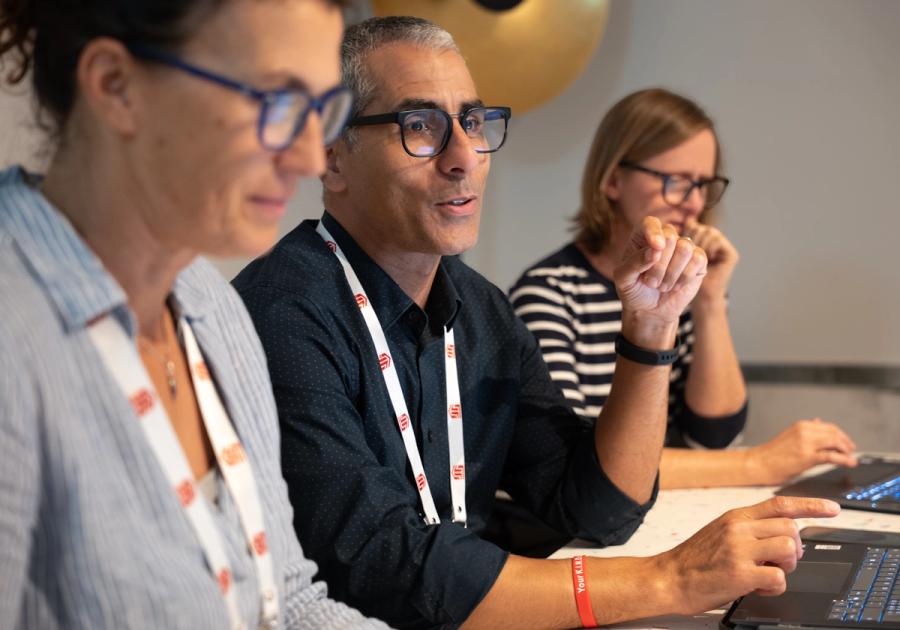
University and beyond
Through academic advising and mentorship, students build strong study habits, prepare their applications and plan their next steps after graduation.
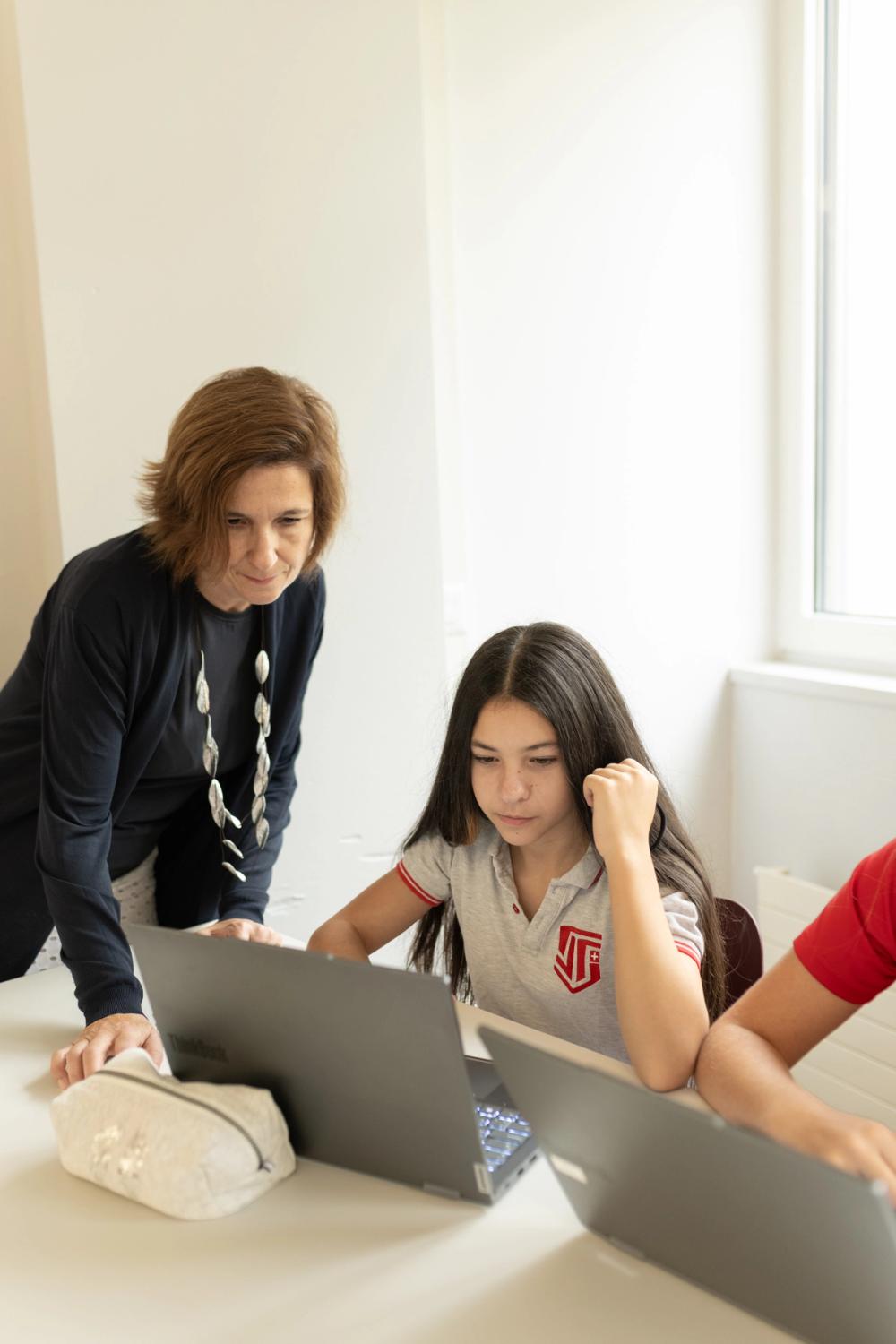
A-Levels and the IB Diploma, side by side
| A-Levels | IB Diploma Programme | |
|---|---|---|
| Approach | Depth: students specialise in a smaller number of subjects | Breadth: a broader programme across multiple disciplines |
| Years | Grades 11-12 | Grades 11-12 |
| Status at ISS | Established programme | Authorized IB World School (Diploma Programme) |
| Leads to | An internationally recognised university qualification | An internationally recognised university qualification |
The A-Level subjects for 2026/27 are listed below; the subjects of the IB Diploma Programme are confirmed with the school during the application process.
- 13
- A-Level subjects in 2026/27, examined by Pearson Edexcel.
- 2
- Routes to university: A-Levels or the IB Diploma Programme.
- 11–12
- Grades in the Senior School, ages fifteen to eighteen.
We believe the final years of school should be as unique as the student.
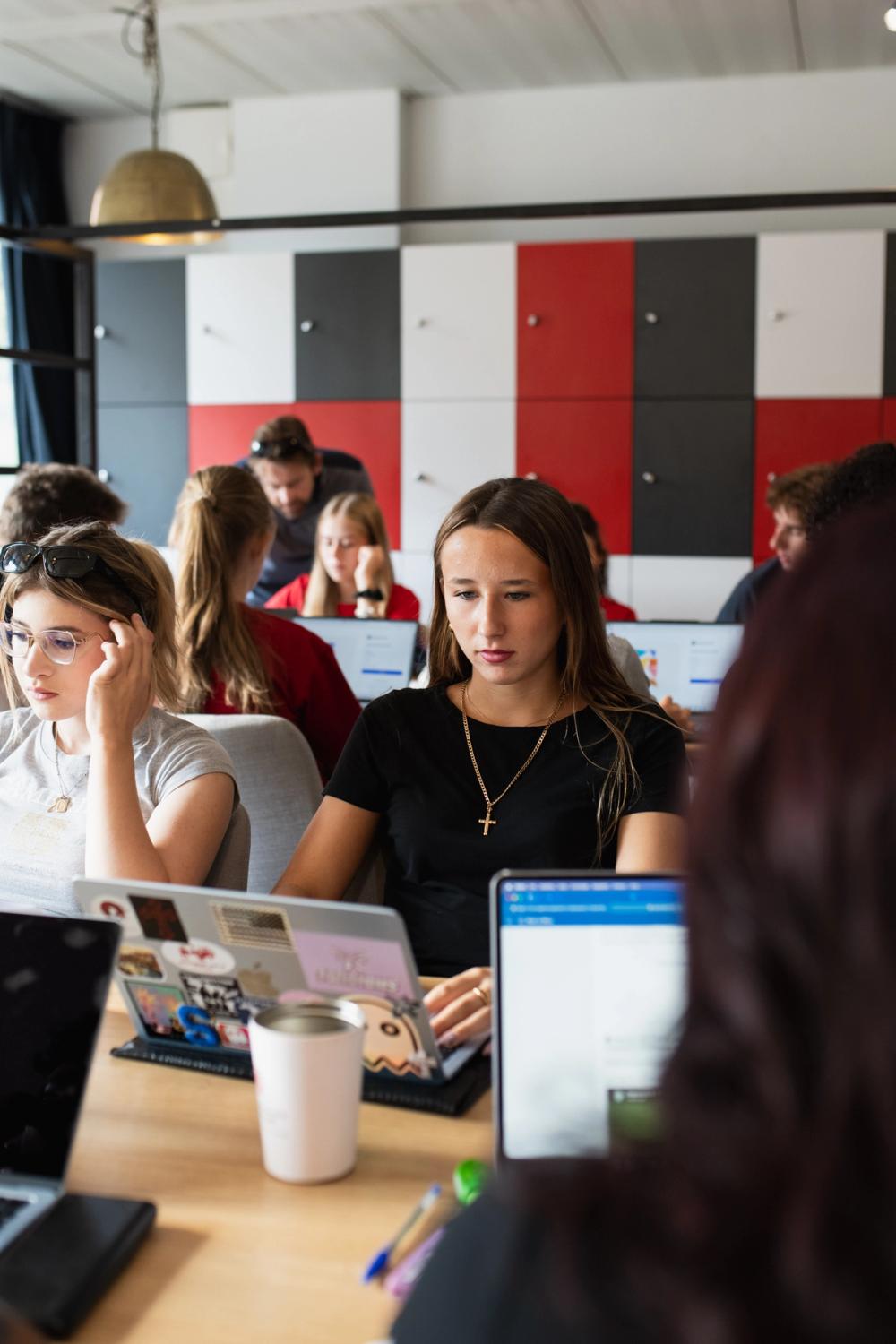
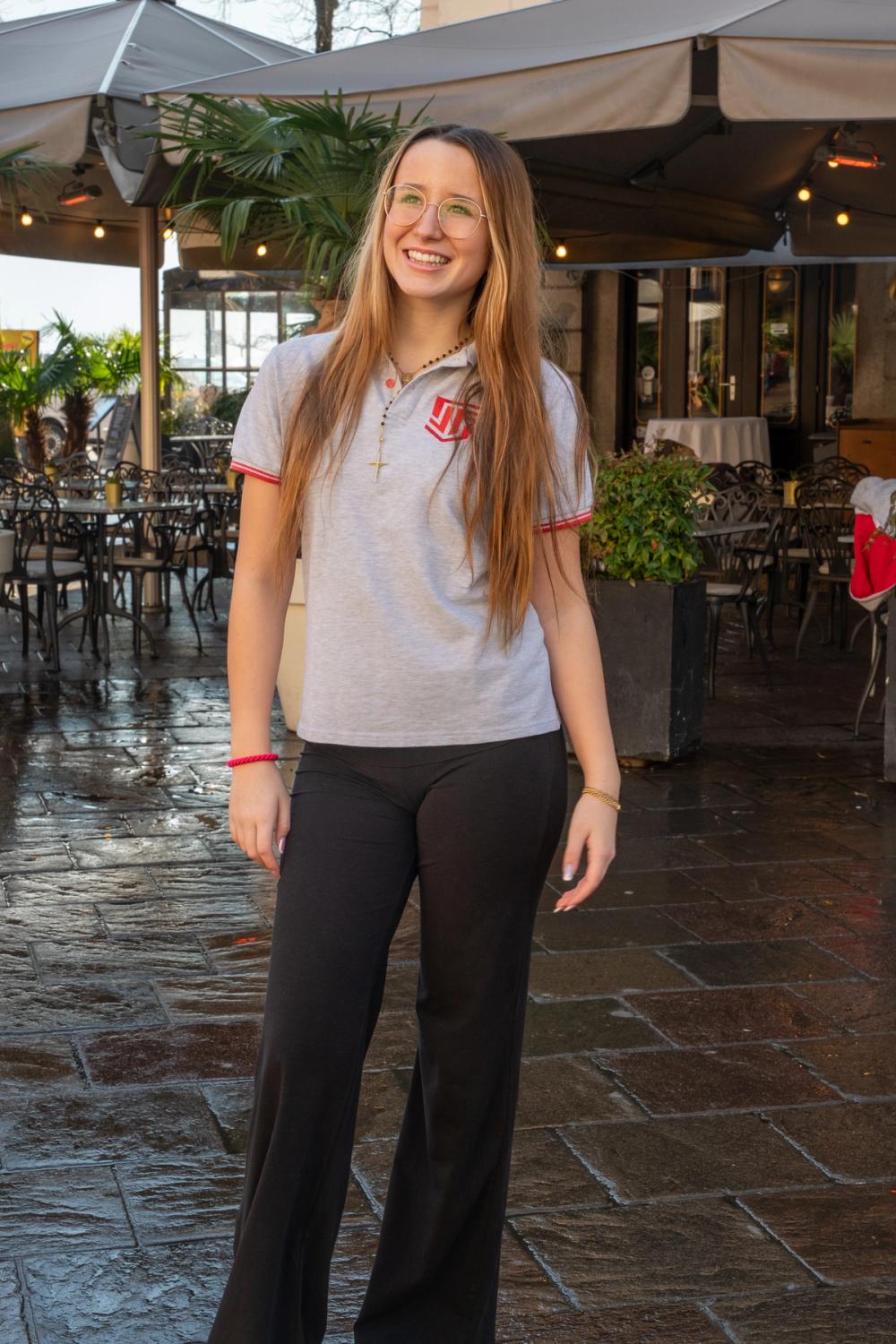
The International School of Switzerland is an IB World School, authorized by the International Baccalaureate to offer the Diploma Programme. For the Primary Years Programme and the Middle Years Programme the school is a candidate school*.
International School of Switzerland is a candidate school* for the PYP. This school is pursuing authorization as an IB World School. IB World Schools share a common philosophy- a commitment to high-quality, challenging, international education- that we believe is important for our students.
International School of Switzerland is a candidate school* for the MYP. This school is pursuing authorization as an IB World School. IB World Schools share a common philosophy- a commitment to high-quality, challenging, international education- that we believe is important for our students.
* Only schools authorized by the IB Organization can offer any of its four academic programmes: the Primary Years Programme (PYP), the Middle Years Programme (MYP), the Diploma Programme (DP), or the Career-related Programme (CP). Candidate status gives no guarantee that authorization will be granted. For further information about the IB and its programmes, visit www.ibo.org.
Talk through both paths with us
The choice between A-Levels and the IB is easier in a conversation than on a webpage. Come and meet us.
Related downloads
- Year Level Comparison List
How ISS grades map to other school systems — for families comparing year levels.
Details and questions
- Age range
- 15–18 years
- Year groups
- Grades 11–12
- Qualification
- A-Levels (Pearson Edexcel) or IB Diploma Programme (IB World School)
- Prepared in the Pre-DP year, Grade 10
- A-Levels examined by Pearson Edexcel
- IB Diploma Programme, authorized IB World School
- Individual university guidance
The Senior School at a glance
| Grades | 11 and 12, ages fifteen to eighteen. |
| Before them: Grade 10 (Pre-DP) | The final year of our Middle School: a foundation across the sciences, humanities and the arts, with individual guidance on the choice of diploma path. |
| Grades 11 and 12 | A-Levels, examined by Pearson Edexcel as International A-Levels, or the IB Diploma Programme, which the school is authorized to offer as an IB World School. |
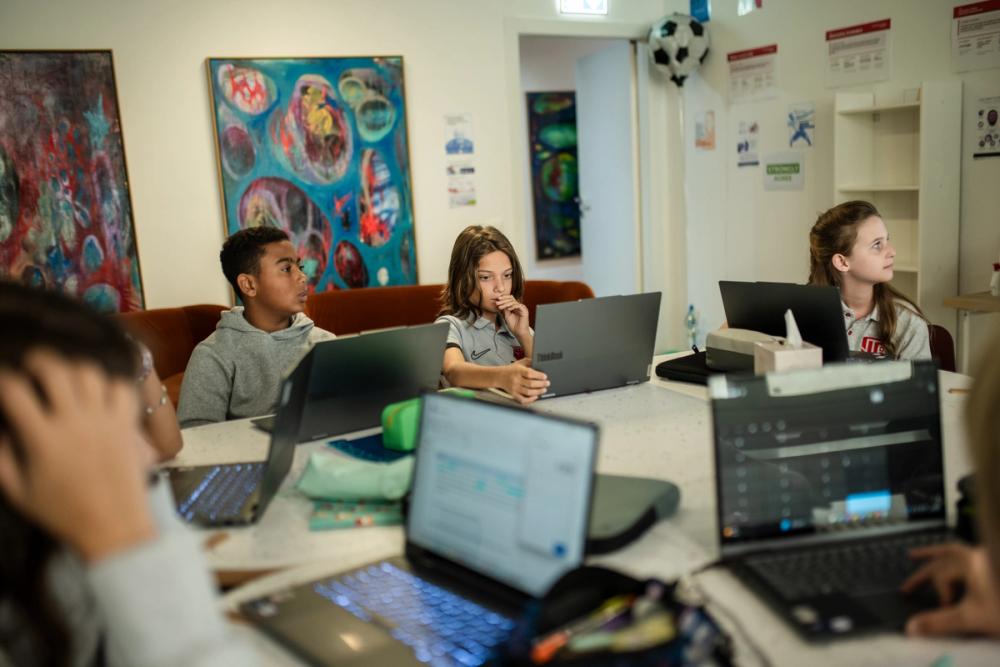
| Devices | The school provides each student's laptop. |
| Tuition 2026/27 | CHF 22,000 a year for Grades 11 and 12. One-off enrolment fee of CHF 3,000 per family. Examination fees are charged separately. |
| School year 2026/27 | Monday 31 August 2026 to Wednesday 16 June 2027. |
| After Grade 12 | University guidance through academic advising and mentorship in the final years. |
Details on the fees and calendar pages.
A-Level subjects, 2026/27
Thirteen subjects, examined by Pearson Edexcel:
- International Psychology
- International Biology
- International Physics
- International Economics
- Business
- English Language
- English Literature
- International German
- Italian
- French
- History
- Art
- International Pure Maths
University courses, while still at school
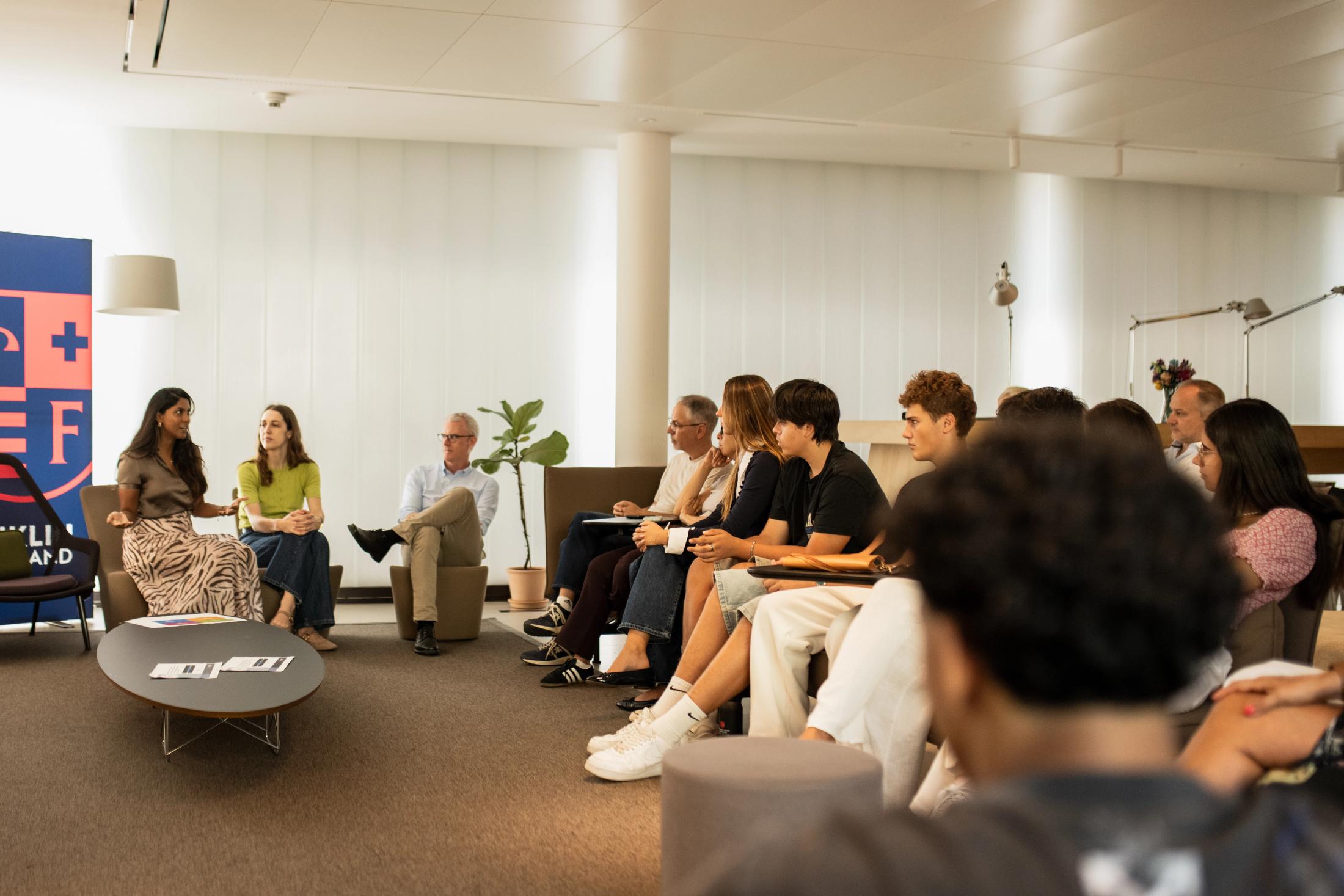
From Grade 11, eligible students can take courses at Franklin University Switzerland and earn credit that counts towards a degree. Franklin sits in Sorengo, on the hillside above Lugano, and is accredited in both countries — in the United States by the Middle States Commission on Higher Education, and in Switzerland by the Swiss Accreditation Council. Its credits follow the European Credit Transfer System.
That dual accreditation is what makes the credit worth something. It is not a certificate of attendance: it is university coursework that a degree programme can count. Which students are eligible, and which courses run in a given year, is agreed with the school — it is a good question to bring to a visit.
What A-Levels are, and why they travel well
A-Levels are the school-leaving qualification of the British system. Instead of a broad final examination, a student chooses a small number of subjects, usually three or four, and studies each of them in depth over two years. Each subject is graded separately from A* to E, and each is examined by an examination board. At ISS the board is Pearson Edexcel, whose International A-Levels are, in the board's own guide for parents, accepted grade for grade as equivalent to GCE A-Levels by universities worldwide, including all universities in the United Kingdom.
The strength of the route is focus: a student who already knows that engineering, medicine or economics is the goal can spend two years on exactly the subjects that matter for it. The price of focus is that the choice is made at the start of Grade 11, which is what the Pre-DP year in Grade 10 is for.
A-Levels and Swiss universities
Swiss universities recognise International A-Levels together with International GCSEs as an upper secondary school-leaving certificate, on conditions that each university sets for itself and that swissuniversities publishes. The pattern is similar across the cantonal universities: six independent general education subjects in the final years, at least three of them at A-Level with mathematics or a natural science among them, and minimum grades in each. ETH Zurich asks for three A-Levels in mathematics, a natural science and a language, each at grade A, or an entrance examination.
For a family planning on a Swiss university, this means the subject choice at the start of Grade 11 already has to include mathematics or a science. It is one of the questions we go through with each student in Grade 10.
How the Senior School maps onto the Ticino system
In Ticino, the academic route after the scuola media is the liceo: as a rule four years, from about fifteen to nineteen, ending in the Swiss maturità, as the conference of cantonal education ministers describes. Our Senior School covers two years, Grades 11 and 12, from fifteen to eighteen, because Grade 10 is the Pre-DP year and belongs to our Middle School. In age, Grade 10 corresponds to the first year of the liceo.
The two routes lead to different certificates, the maturità on one side and A-Levels or the IB Diploma on the other, and both open Swiss and foreign universities on their own conditions. Which suits a student depends on where they intend to study and in which language.
Questions families ask about the Senior School
A-Levels or the IB: which is better?
Neither is better; they suit different students. A-Levels mean depth in a small number of subjects; the IB Diploma means breadth across disciplines. The Pre-DP year in Grade 10 exists so that students can make this choice with individual guidance, not under pressure.
Do universities prefer the IB or A-Levels, and which is harder?
Universities in the United Kingdom, Switzerland, the United States and elsewhere accept both and publish their requirements for each; they do not rank one above the other. What decides an application is the grades and whether the subjects fit the course. As for difficulty: A-Levels demand depth in three or four subjects, the IB Diploma demands breadth across six plus its core, so the harder one is whichever fits a student's strengths less well. That is a conversation for Grade 10, not a rule.
Do students have to choose straight away?
No. Grade 10 is the Pre-DP year, a foundation across the sciences, humanities and the arts. The decision between A-Levels and the IB Diploma comes during that year, with guidance from school staff.
What are A-Levels, and which board examines them at ISS?
Internationally recognised qualifications from the British system, taken in the final two school years: a small number of subjects studied in depth, each graded A* to E. At ISS they are examined by Pearson Edexcel as International A-Levels. Examination fees are charged separately from tuition. ISS is an approved Pearson Edexcel centre, number 98468, recognised to conduct International Advanced Level, GCSE, International GCSE and GCE examinations.
Are A-Levels accepted by Swiss universities?
Yes, on conditions each university publishes through swissuniversities: typically six general education subjects, at least three at A-Level including mathematics or a natural science, with minimum grades. ETH Zurich sets higher requirements. The subject choice in Grade 11 should be made with the intended university in mind.
Which subjects can students take at A-Level?
Thirteen subjects in 2026/27, all examined by Pearson Edexcel: International Psychology, International Biology, International Physics, International Economics, Business, English Language, English Literature, International German, Italian, French, History, Art and International Pure Maths.
How many years is high school in Switzerland?
In Ticino the liceo lasts four years, from about fifteen to nineteen. Our Senior School lasts two, Grades 11 and 12, from fifteen to eighteen, because Grade 10 is the Pre-DP year and belongs to our Middle School.
How much does the Senior School cost?
Tuition for 2026/27 is CHF 22,000 a year for Grades 11 and 12, plus a one-off enrolment fee of CHF 3,000 per family. Grade 10, the Pre-DP year, is charged at the same rate. Examination fees for A-Levels and the IB are charged separately. The fees page has the full table.
Can a student join in Grade 10 or 11 from another school system?
Joining in Grade 10 is the natural entry point, because the Pre-DP year is where the diploma path is chosen. Joining at the start of Grade 11 is possible where a student's previous record matches the chosen subjects; because A-Level courses run over two years, entry part-way through them is looked at case by case by admissions.
Is the school authorized to offer the IB Diploma?
Yes. The International School of Switzerland is authorized by the International Baccalaureate to offer the Diploma Programme and is an IB World School. For the Primary Years and Middle Years Programmes it is a candidate school*; candidate status gives no guarantee that authorization will be granted.
How are students supported with university applications?
Through academic advising and mentorship in the final years: building study habits, exploring university options, preparing applications, and planning the steps after graduation. The careers guidance page describes the programme from Middle School onward.
Where do graduates go on to study?
Our inaugural IB Diploma cohort graduates in 2026/27 and is applying to universities now. We will publish where students actually go once the offers are in and each graduate has agreed to be named — we would rather say nothing than publish a destination without the person's consent.