Our Middle School - Grades 6 to 10 in Lugano
Grades 6 to 10, ages ten to fifteen.
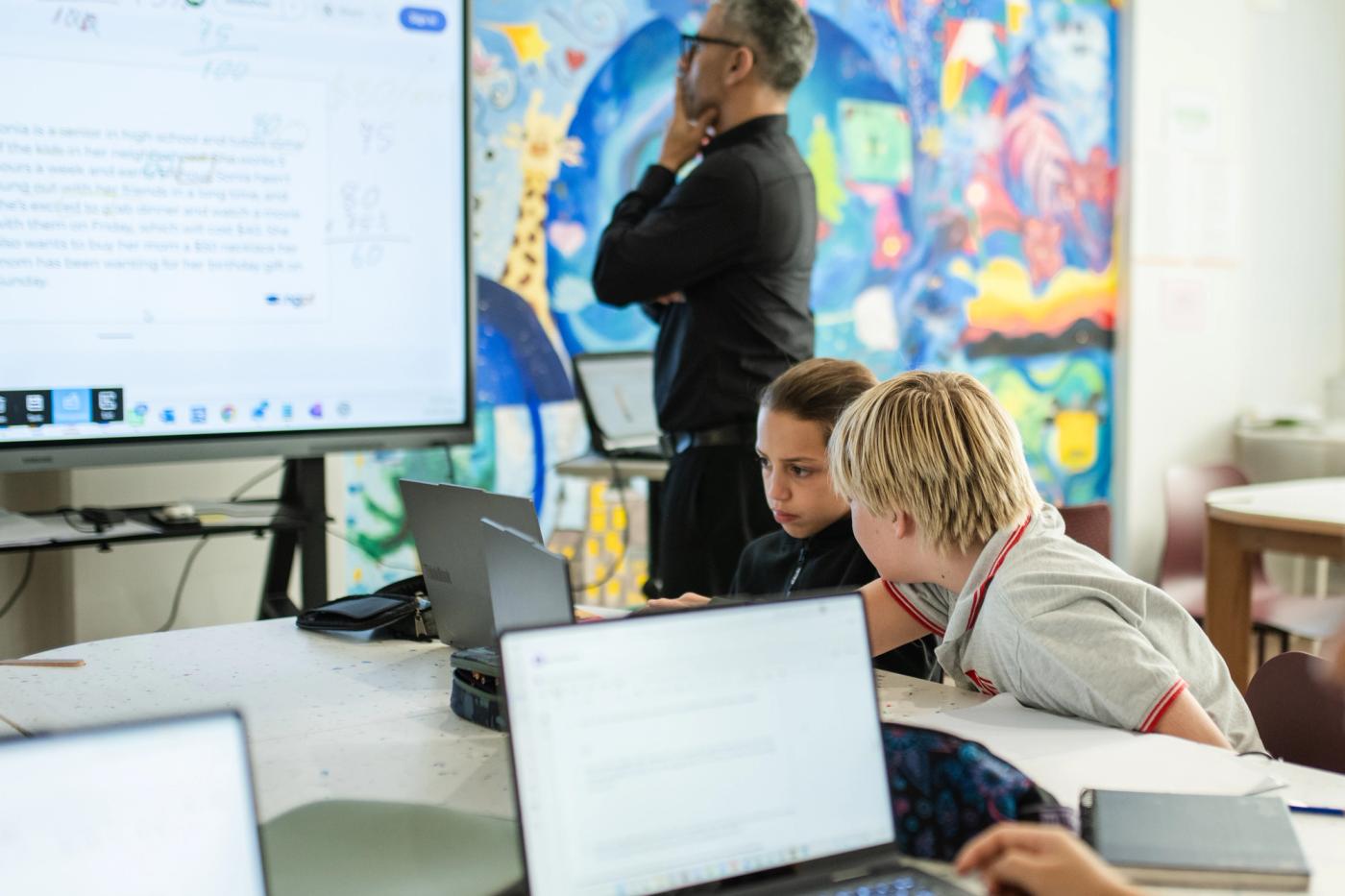
Building strong foundations
The transition from primary to secondary education is a critical stage in a student's life. Our Middle School supports it with a balanced approach: academic rigour on one side, room for personal growth on the other.
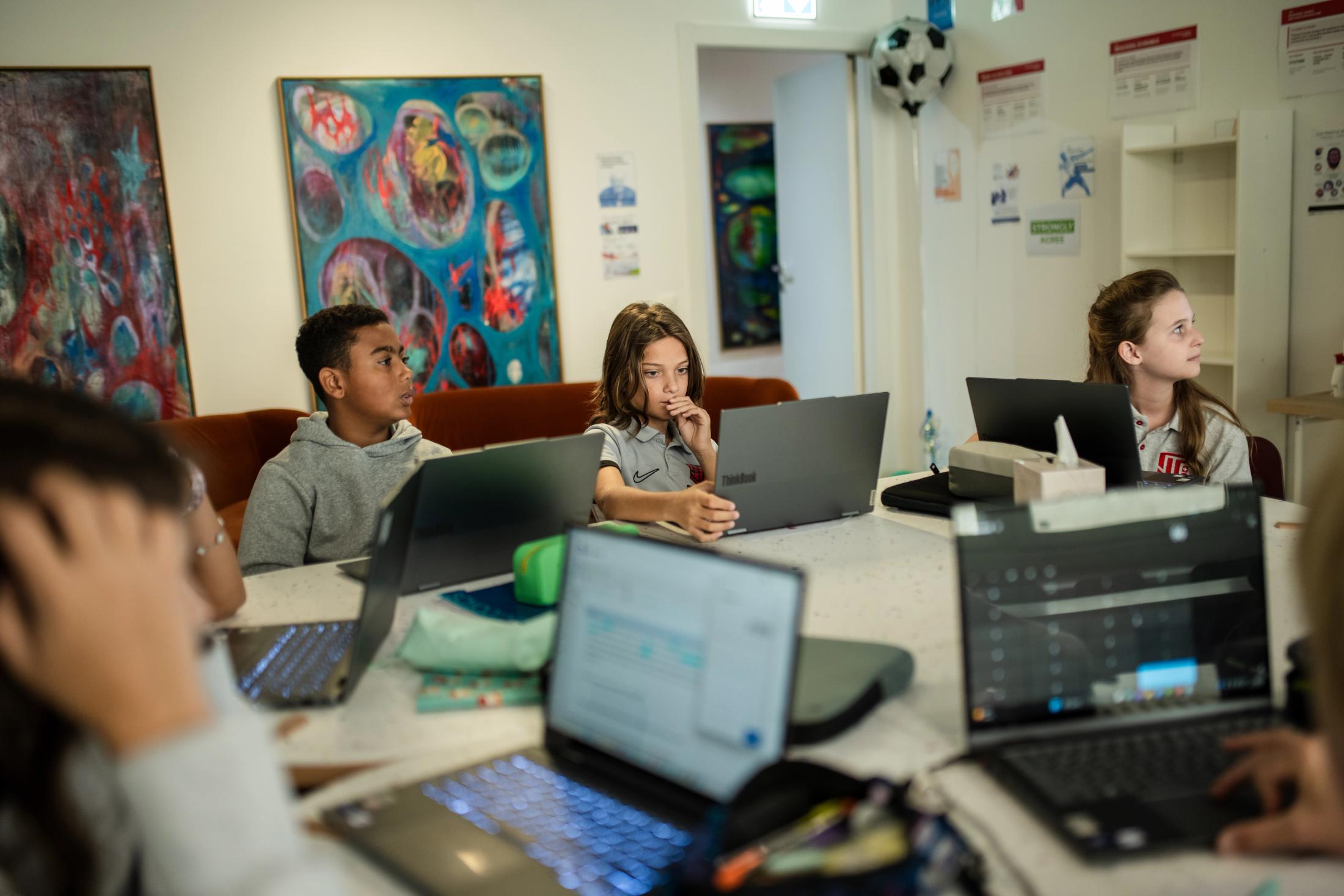
We focus on helping students become independent learners who take responsibility for their own education. The curriculum challenges them to think critically, solve problems and make connections across subjects - while social and emotional skills get the same attention, so students navigate these years with confidence.
The approach is student-centred: curiosity, resilience and responsibility. Students get the tools and the opportunities to explore their interests, ask questions, and build a deeper understanding of the world around them.
What changes between the Primary and the Middle School
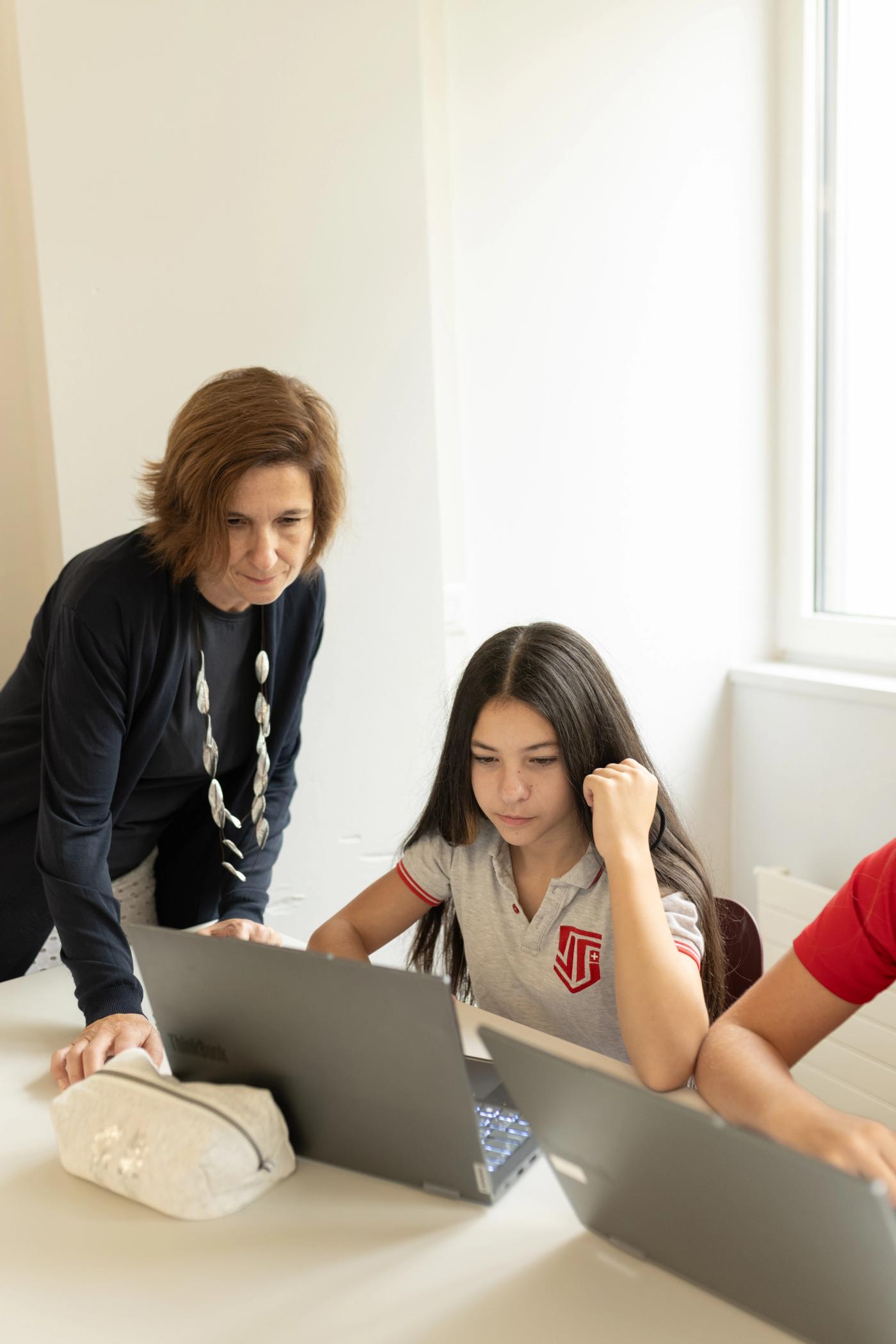
In the primary years one class teacher carries most of the day and the subjects flow into each other through units of inquiry. From Grade 6 the day is organised by subject: the STEAM programme, the language programme and history and geography each have their own teachers and their own time in the morning. The habit of asking questions stays; what changes is that students are now expected to organise their own work across several subjects and several adults.
Two things make the step easier than it sounds. Language classes are placed by level rather than by grade, so nobody sits in a class that is too fast or too slow for them. And Discovery, woven through the day in the Primary School, now has the afternoon to itself, with the same mix of sport, arts, technology and time outside the building.
The core subjects of the morning
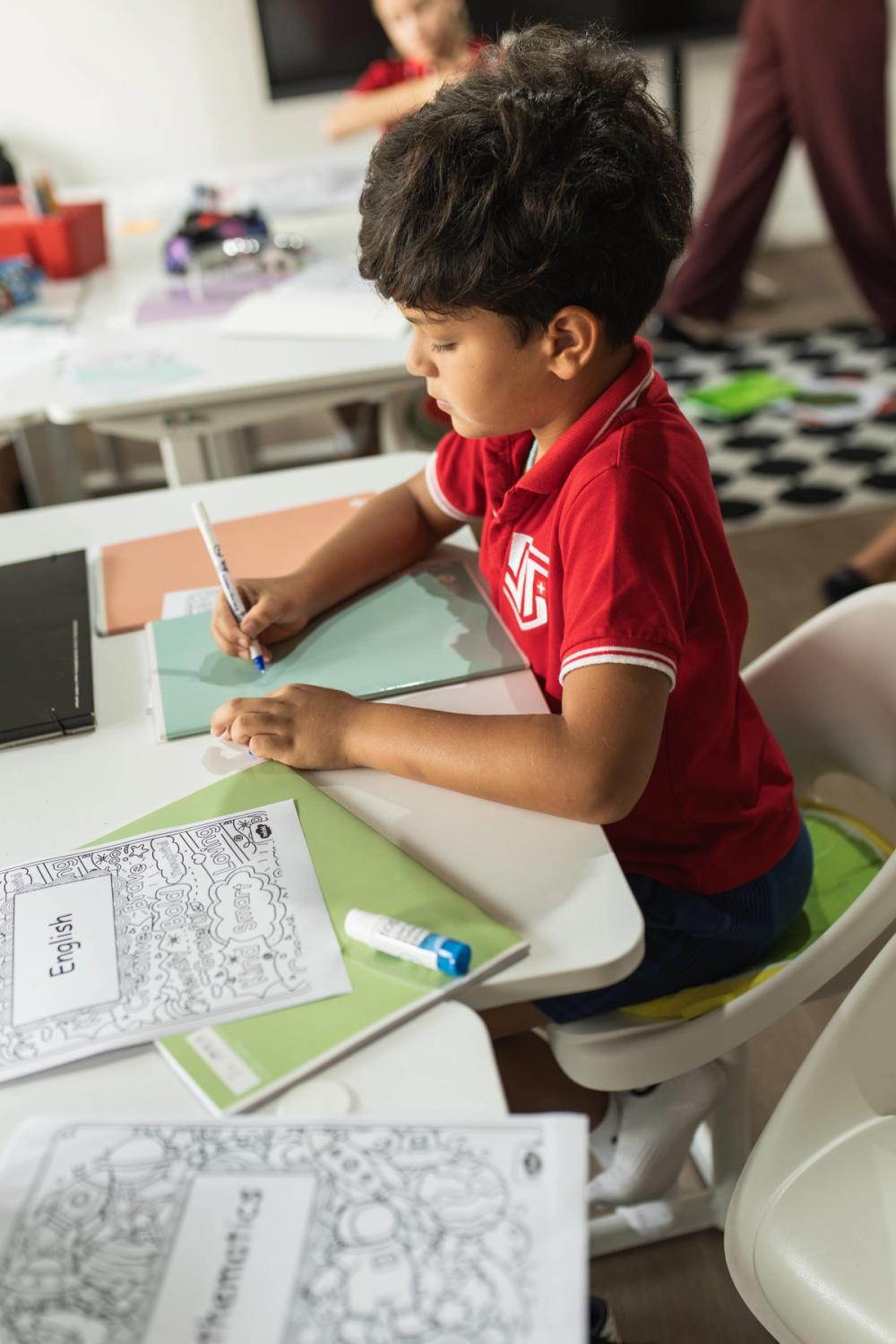
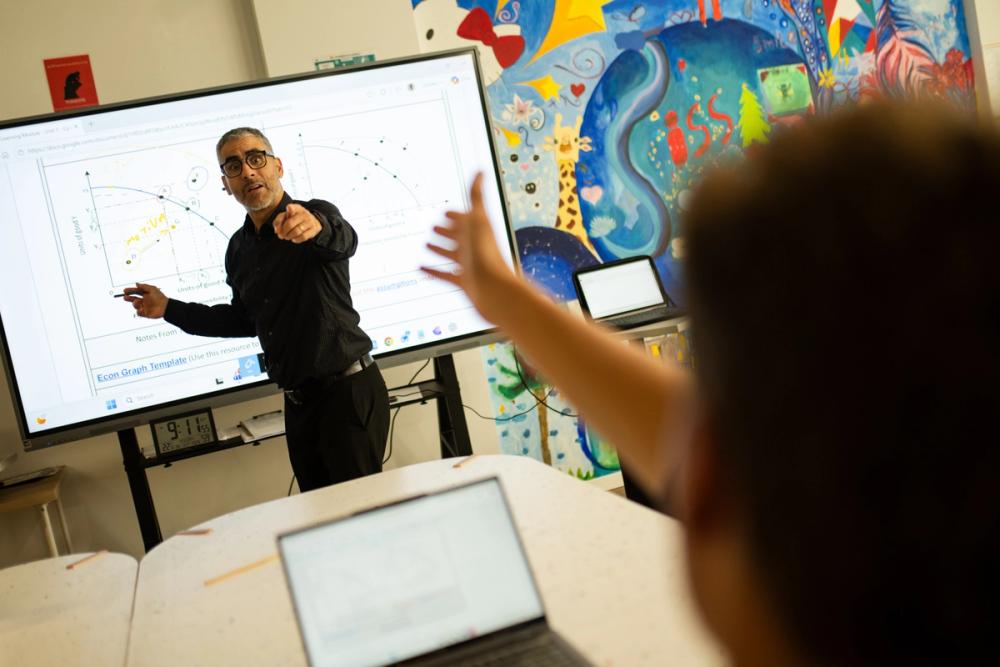
Mornings belong to focused academic work in three core areas.
STEAM
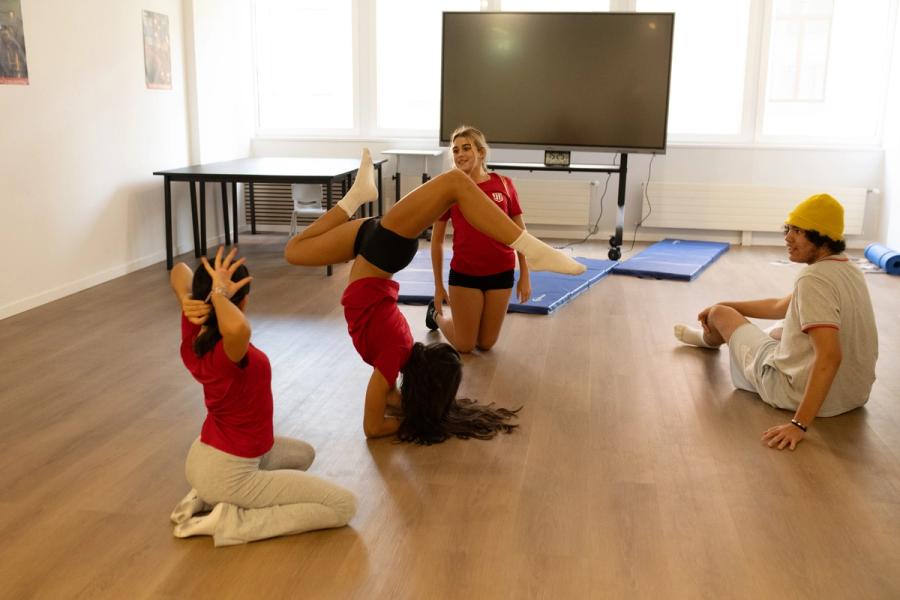
Science, Technology, Engineering, Art and Mathematics as one programme: hands-on projects, experiments and real-world applications that teach students to think critically and solve complex problems.
Languages
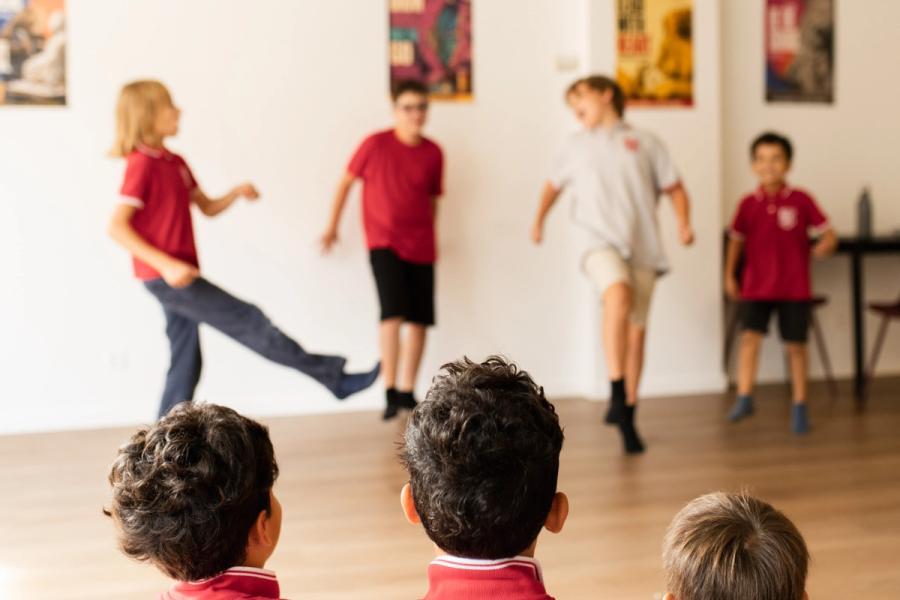
The bilingual approach continues in Grades 6-10: English and Italian as languages of instruction, German as an elective in the Discovery Programme. Classes are placed by the Common European Framework (A1-C2), so every student is both challenged and supported.
History and Geography
Historical events, societal change, and the connections between people and their environment - taught through inquiry and analysis, so students apply the past to understand the present.
The DISCOVERY Programme in the afternoon
Afternoons belong to the DISCOVERY Programme - activities that nurture creativity, physical well-being and personal development, complementing the academic rigour of the morning:
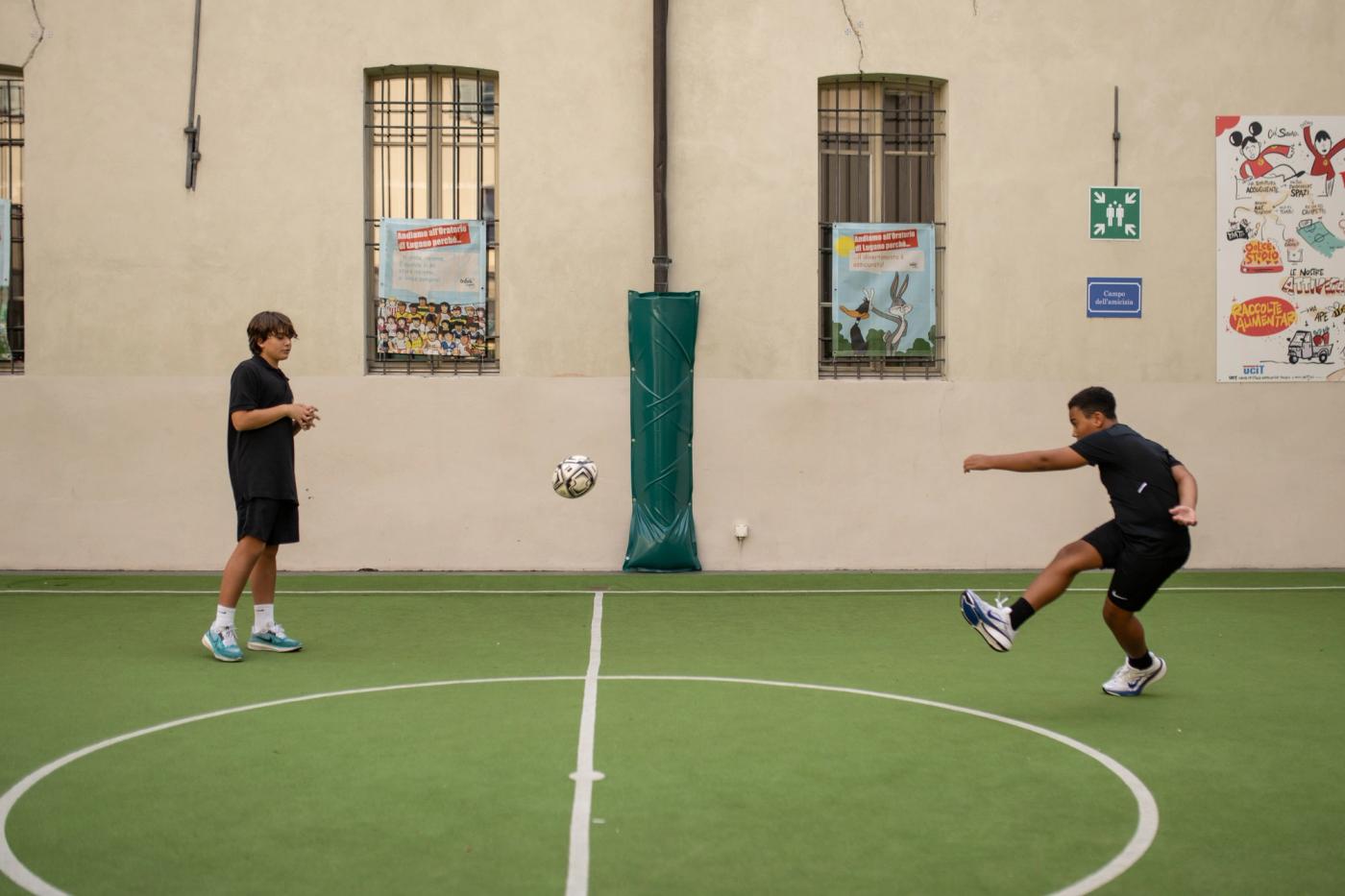
- Physical Education - fitness, teamwork and healthy competition
- Arts and creativity - visual arts, music, dance and drama
- Technology and robotics - projects that combine technology with creative problem-solving
- Leadership and service - leadership roles and community service projects
- Languages and cultural immersion - immersive language learning beyond the academic programme
Immersion Days are a key part of DISCOVERY: field trips into the natural environment, cultural exchanges, art-based retreats - experiential learning that connects what students study with the world it belongs to.
Guided by K.I.N.D.
The K.I.N.D. Framework guides everything the Middle School does.
Kindness
A supportive, inclusive and empathetic school culture.
Innovation
Creative thinking and problem-solving across all subjects.
Navigation
The discipline and skills to manage academic rigour, while nurturing curiosity and a love of learning.
Discovery
Exploring passions through hands-on, project-based learning and co-curricular activities.
Skills for life beyond the classroom
Success goes beyond academics. Alongside their subjects, students deliberately build the life skills that carry them through university, careers and everything after: critical thinking, creativity, collaboration, resilience, communication, time management and emotional intelligence.
These skills are not a separate lesson. They grow through project-based learning, the STEAM programme, Immersion Days, the DISCOVERY Programme - and daily school life.
International School of Switzerland is a candidate school* for the MYP. This school is pursuing authorization as an IB World School. IB World Schools share a common philosophy- a commitment to high-quality, challenging, international education- that we believe is important for our students.
* Only schools authorized by the IB Organization can offer any of its four academic programmes: the Primary Years Programme (PYP), the Middle Years Programme (MYP), the Diploma Programme (DP), or the Career-related Programme (CP). Candidate status gives no guarantee that authorization will be granted. For further information about the IB and its programmes, visit www.ibo.org.
Related downloads
- Year Level Comparison List
How ISS grades map to other school systems — for families comparing year levels.
See the Middle School in action
Come and see lessons in progress, and meet the people who teach them.
Details and questions
- Age range
- 10–15 years
- Year groups
- Grades 6–10
- STEAM, languages, history and geography in the morning
- Language classes placed by CEFR level, A1 to C2
- Discovery Programme in the afternoon, included
- Laptop provided by the school
The Middle School at a glance
| Grades | 6 to 10, ages ten to fifteen. Grade 10 is the Pre-DP year, the final year of the Middle School. |
| Core subjects | STEAM (science, technology, engineering, art and mathematics), languages, history and geography, taught in the morning. |
| Languages | English and Italian as languages of instruction; German as an elective in the Discovery Programme, at levels A1/A2 and B1/B2, preparing for the Goethe exams. Language classes are placed by the Common European Framework, A1 to C2. |
| Afternoons | The Discovery Programme, included in tuition: sport, arts, technology and robotics, leadership and service, and immersion days. |
| Devices | The school provides each student's laptop. |
| Tuition 2026/27 | CHF 20,000 a year for Grades 6 to 9 and CHF 22,000 for Grade 10. One-off enrolment fee of CHF 3,000 per family. |
| School year 2026/27 | Monday 31 August 2026 to Wednesday 16 June 2027. |
| What follows | Grades 11 and 12 in our Senior School: A-Levels or the IB Diploma Programme. The choice between them is prepared in Grade 10, the Pre-DP year. |
Details on the fees and calendar pages.
Language classes by level: what A1 to C2 means
The Common European Framework of Reference describes language ability in six levels. A1 and A2 are the beginner levels: simple sentences about familiar things. B1 and B2 are the independent levels: a student can follow lessons, read a text and hold a conversation without help. C1 and C2 are the proficient levels, close to a well-educated native speaker.
At ISS, English, Italian and German classes in Grades 6 to 10 are grouped by these levels. A student who arrives at A2 in Italian and C1 in English is placed accordingly in each, and moves up as the level is reached. That is why the question is never whether a child's languages are good enough to join, but where each language starts.
How the Middle School maps onto the Ticino scuola media
In Ticino, lower secondary school, the scuola media, lasts four years and follows the five years of scuola elementare, so it covers roughly the ages of eleven to fifteen, as the federal education portal sets out. Our Middle School spans five years, Grades 6 to 10: it begins a year earlier in age than the scuola media and runs a year beyond it, because Grade 10 is the Pre-DP year that prepares the diploma path. Compulsory schooling in the canton ends with the scuola media; at ISS the path continues into the Senior School.
A move between the two systems in either direction is a placement question: age, languages and school record are looked at together by admissions. The bilingual programme keeps Italian alive for families who may want that door open.
Why families choose our Middle School
- Academic excellence - a strong foundation in STEAM, languages, and history and geography
- Bilingual education - English and Italian, with German as an elective in the Discovery Programme
- The DISCOVERY Programme - hands-on learning through activities and immersion days
- Personalised learning - tailored support to meet individual needs
- Social-emotional support - a strong emphasis on well-being and character development
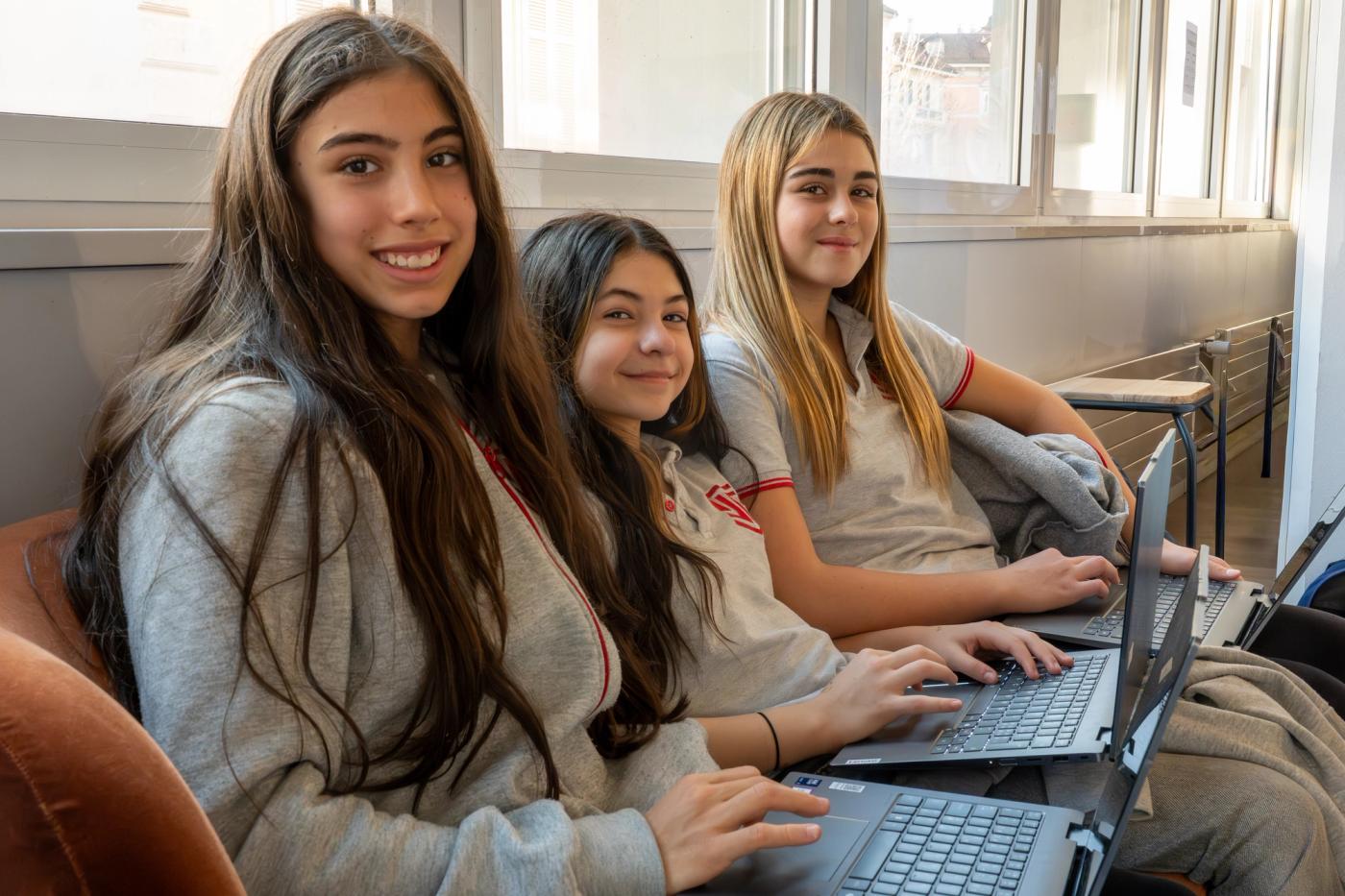
- Technology integration - digital literacy, critical thinking and collaboration as everyday tools
Questions families ask about the Middle School
Which grades does the Middle School cover?
Grades 6 to 10, ages ten to fifteen: the years between our Primary School and the diploma years. Grade 10 is the Pre-DP year, which closes the Middle School and prepares the choice between A-Levels and the IB Diploma Programme.
What age is middle school in Switzerland?
In Ticino the scuola media runs for four years from about age eleven to fifteen. Our Middle School covers five, Grades 6 to 10, ages ten to fifteen, so a child changing between the systems is usually within a year of the matching class. Grade 10, the Pre-DP year, has no direct counterpart: it already looks ahead to the diploma.
Which grade would my child join, based on their age?
The school publishes a year level comparison chart that maps ages and school systems to our grades. The entry assessment then confirms the placement that fits your child.
How long is the school day?
The core subjects fill the morning and the Discovery Programme the afternoon, so it is a full school day rather than a morning with optional extras. The exact timetable for the year is given at enrolment.
Is school free in Switzerland?
Public schools are free and teach in Italian. ISS is a private school: tuition for Grades 6 to 9 is CHF 20,000 a year in 2026/27 and CHF 22,000 for Grade 10, plus a one-off enrolment fee of CHF 3,000 per family. The fees page has the full table.
Can my child join without fluent English or Italian?
Yes. Language classes are placed by the Common European Framework, A1 to C2, so a student joins each language at the level that fits and is supported from there. The school also offers English as an Additional Language support. Which class and how much support is decided in the admissions conversation.
What does a Middle School student study?
Mornings cover the core subjects: STEAM (science, technology, engineering, art and mathematics), languages, and history and geography. Afternoons belong to the Discovery Programme: sport, arts, technology and robotics, leadership and service, and immersion days through the year.
How are students assessed?
Language placement follows the Common European Framework levels. For the other subjects, the school explains its assessment and reporting at enrolment; parents receive regular updates on progress.
What comes after the Middle School?
The Middle School closes with Grade 10, the Pre-DP year, where the diploma path is chosen. After it comes our Senior School: A-Levels or the IB Diploma Programme in Grades 11 and 12.
How can we see the Middle School?
Visit during term time, sit in on a morning lesson and a Discovery afternoon if you can, and bring your child. The visit page explains how to arrange it.