

Our K.I.N.D. Teaching and Learning Philosophy
Kindness, Innovation, Navigation and Discovery: the four principles behind every lesson at the International School of Switzerland.
What K.I.N.D. is
At the International School of Switzerland, we empower students to become future-ready global citizens through our K.I.N.D. approach. By focusing on Kindness, Innovation, Navigation and Discovery, we create an inspiring and rigorous learning environment where every child can thrive.
K.I.N.D. is not a curriculum of its own. It is the framework that guides how our curriculum is taught, from primary school to A-Levels and the International Baccalaureate, and it helps students develop strong character, curiosity and the ability to adapt and think independently.
The K.I.N.D. Framework
Our learning approach is built around these four core principles.
Kindness
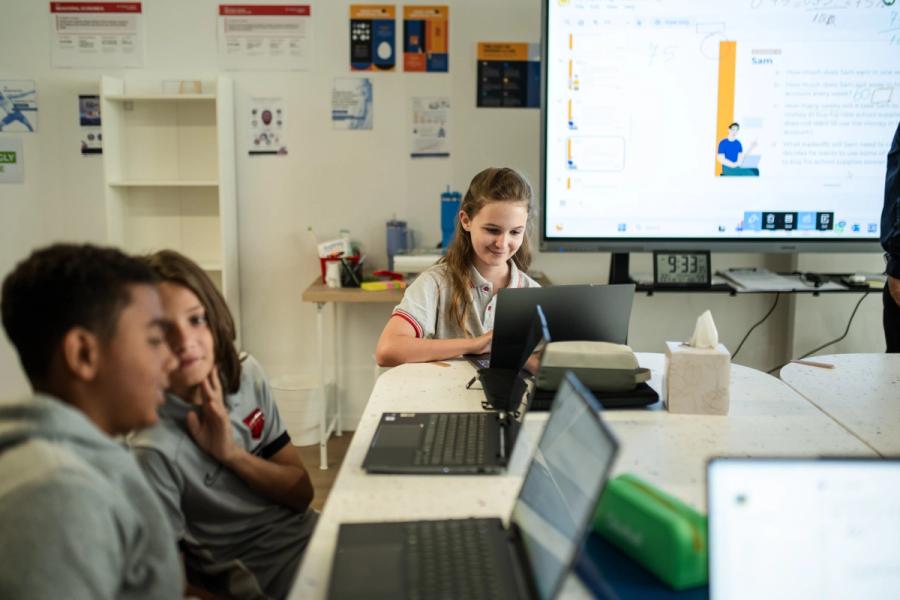
We nurture a culture of respect and empathy, ensuring students understand the value of compassion in building strong communities. Through service projects, collaborative learning and real-world connections, we teach students to lead with integrity and care.
Innovation
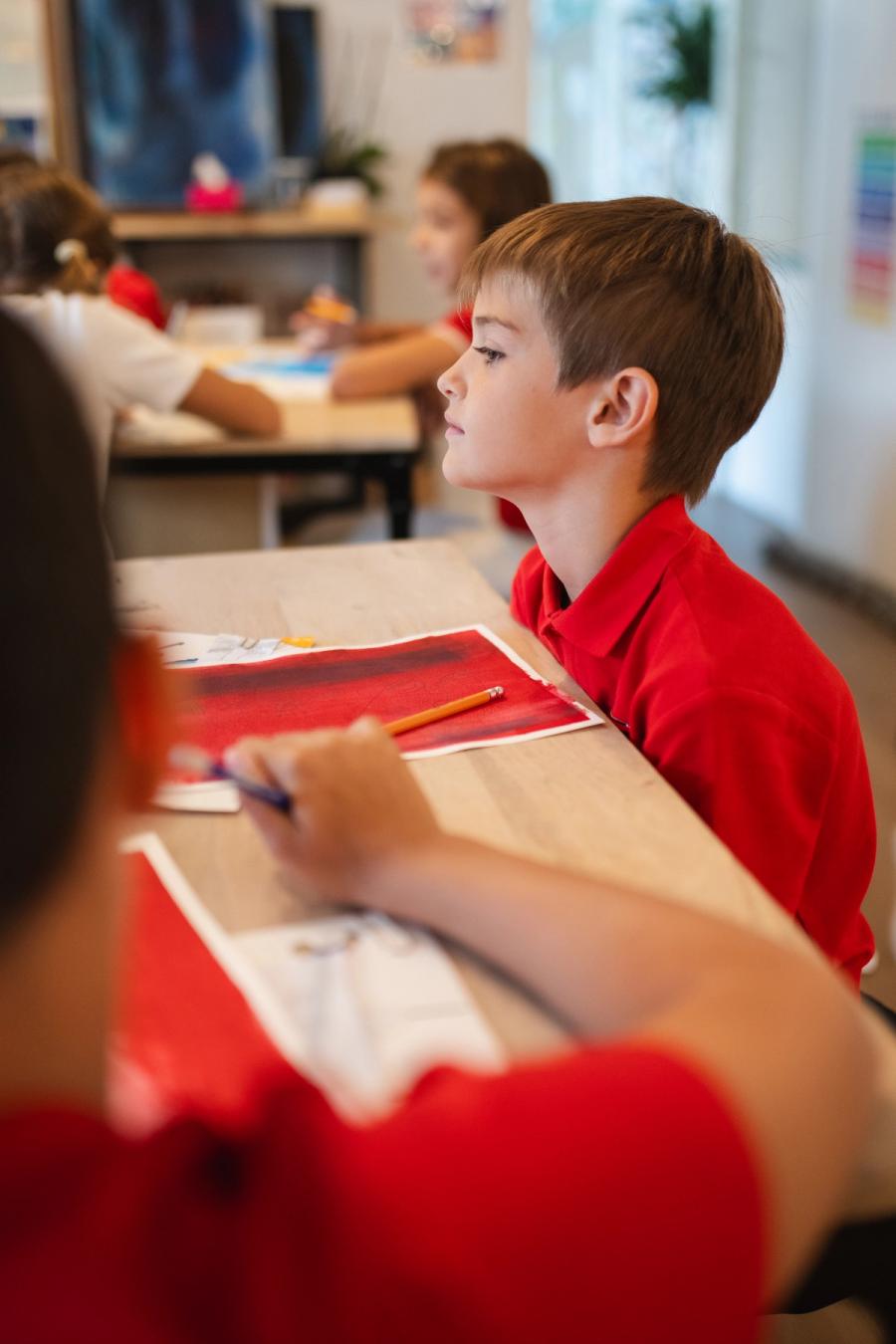
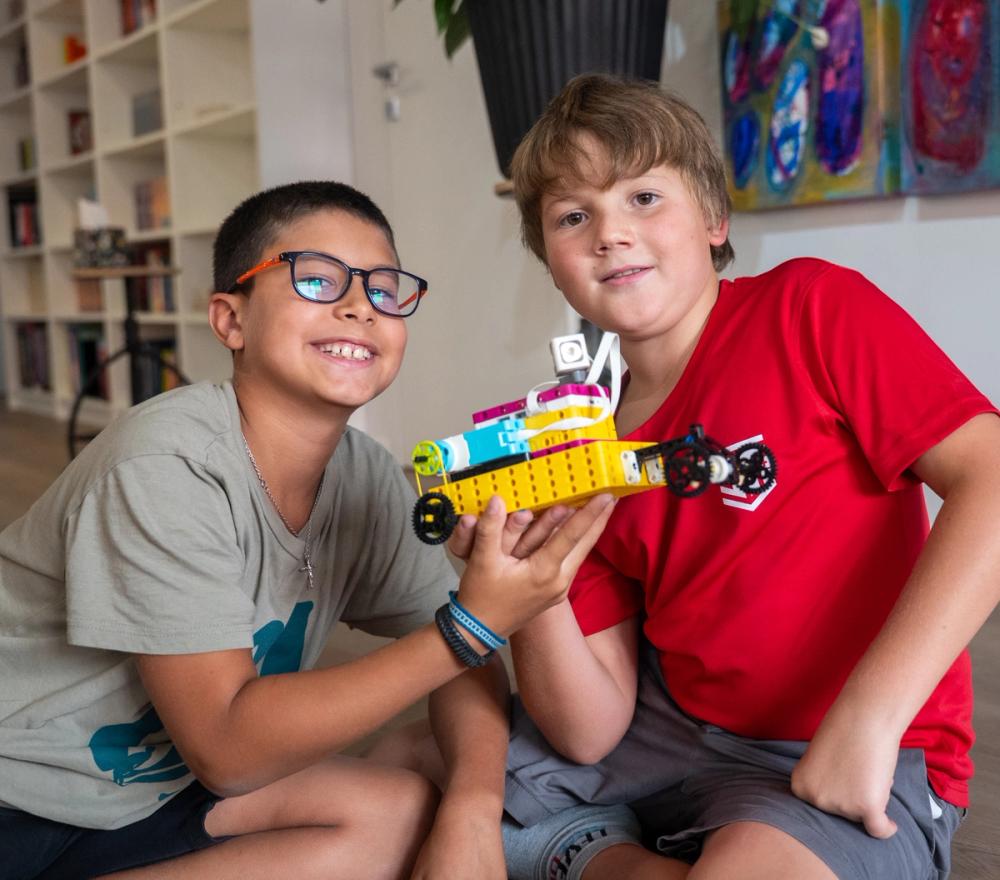
By embracing cutting-edge technologies and forward-thinking strategies, we equip students with the tools and mindset to tackle challenges creatively. From STEAM projects to problem-solving workshops, students learn to innovate in ways that shape their future.
Navigation
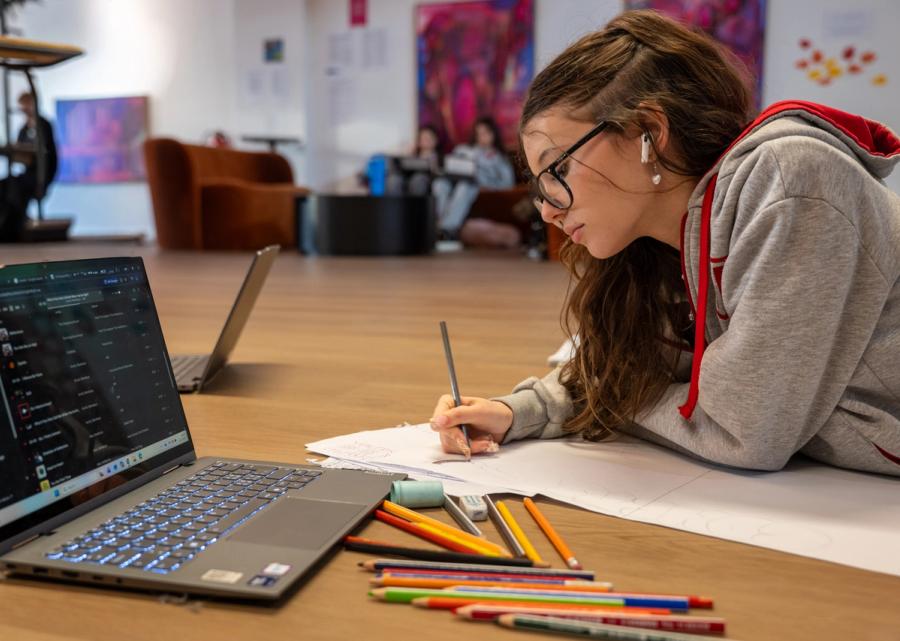
Learning is a journey, and we provide students with the discipline, foundational skills and academic rigour they need to succeed. Our tailored pathways ensure every student builds confidence and resilience while mastering core subjects.
Discovery
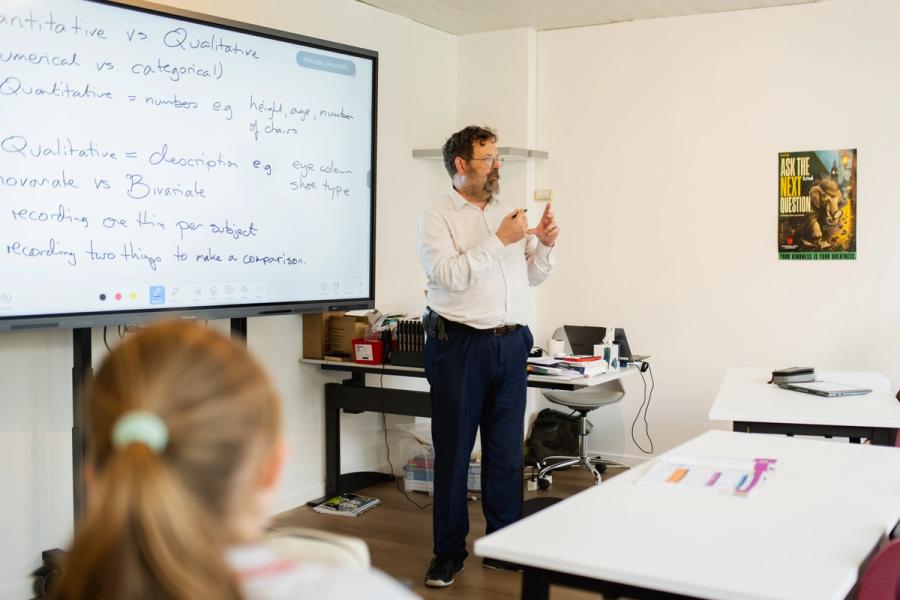
We believe in unlocking every student's potential by encouraging curiosity and exploration. Through immersive experiences, arts, sports and university-level exposure, students discover their strengths and passions, driving them toward a purposeful future.
Where you see it in a school day
The principles are not a poster on the wall. This is where they show up.
In lessons
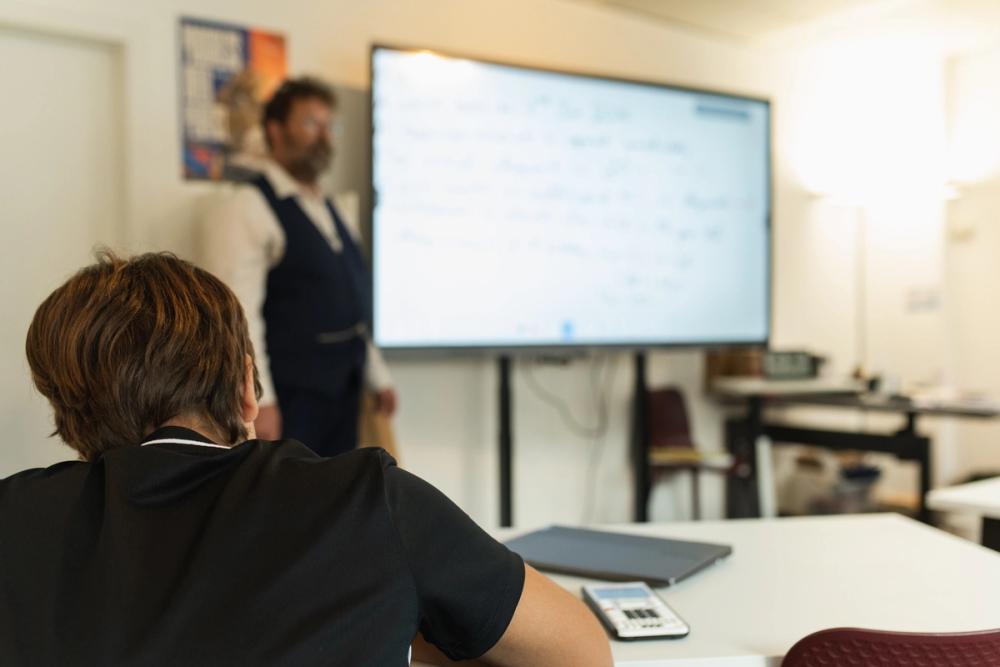
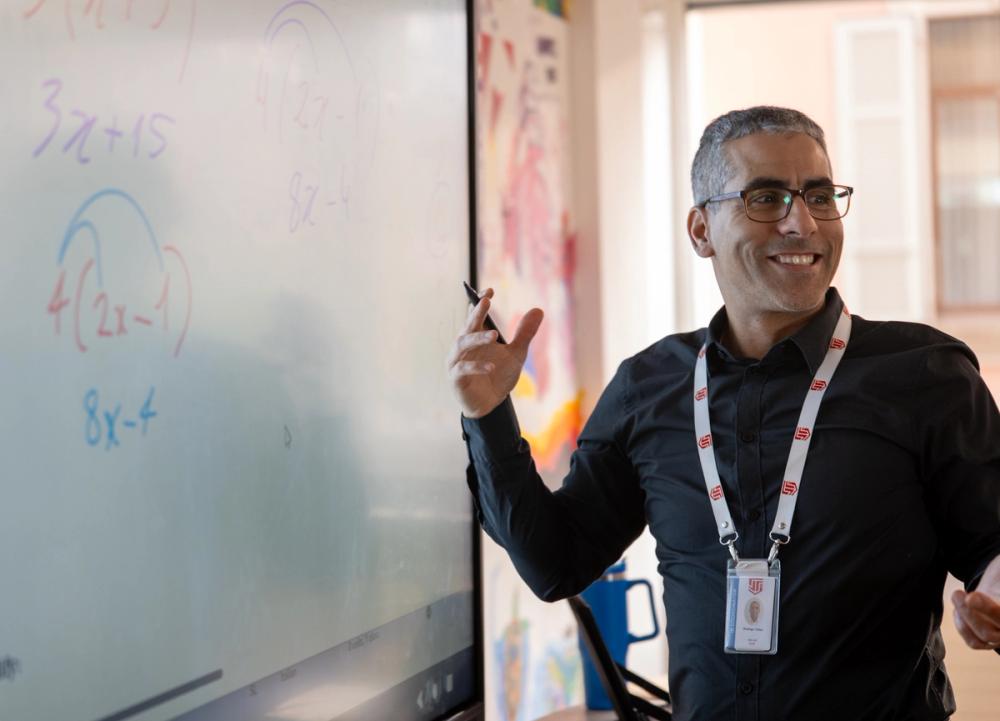
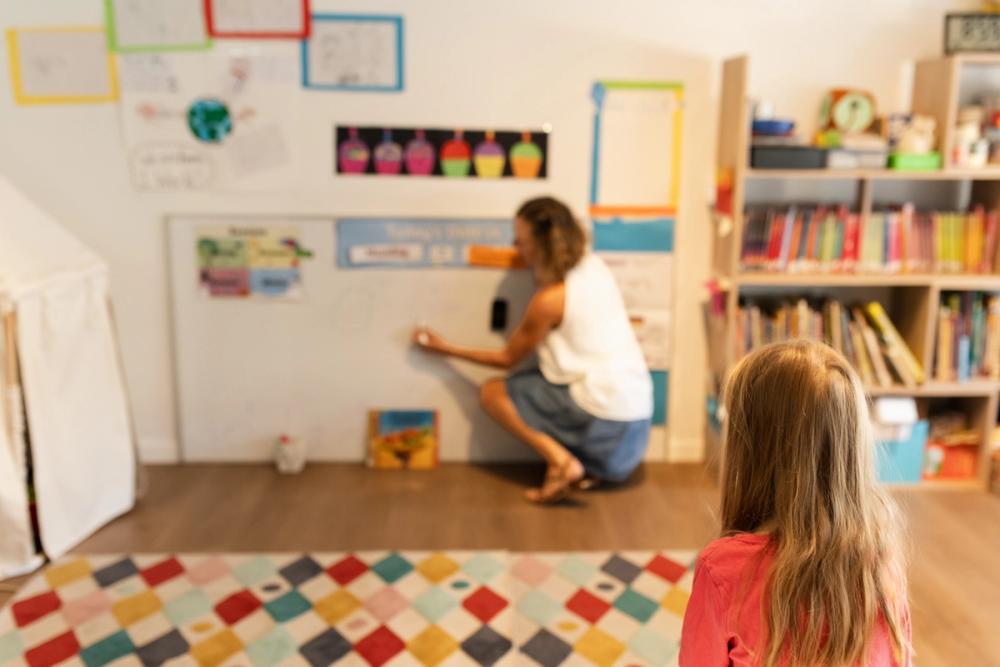
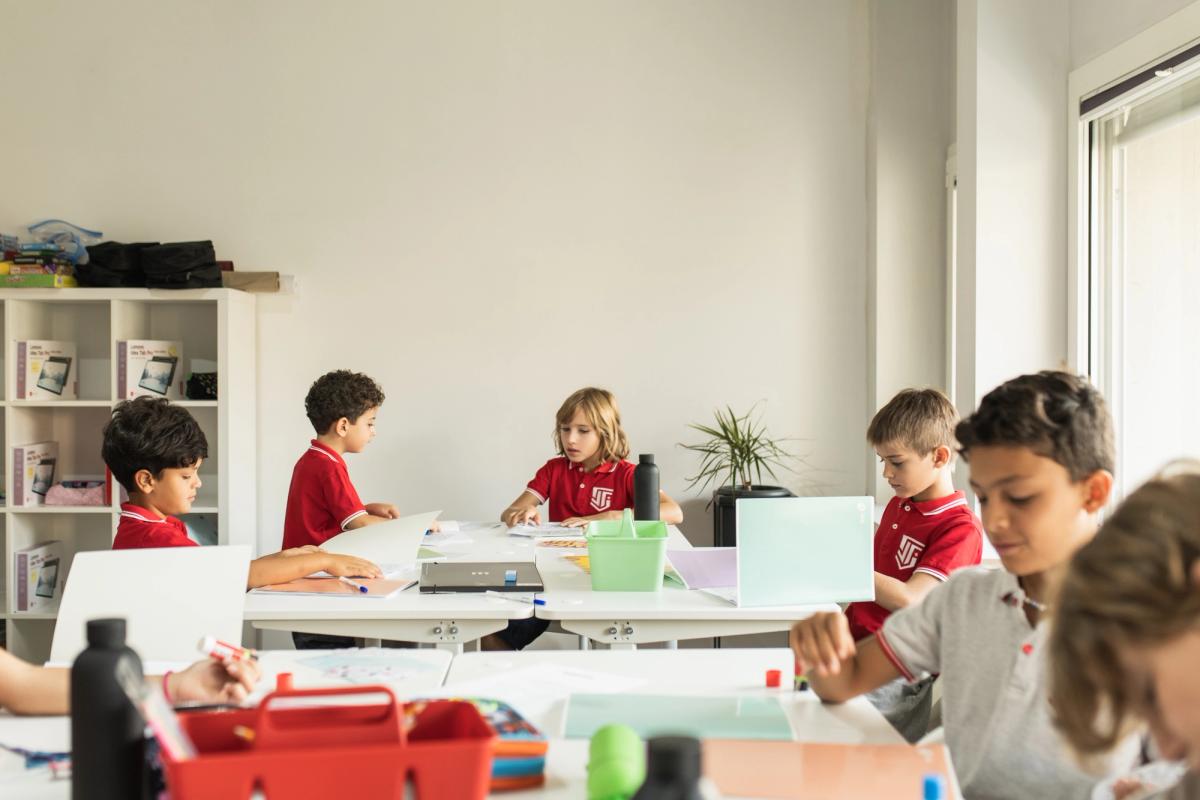
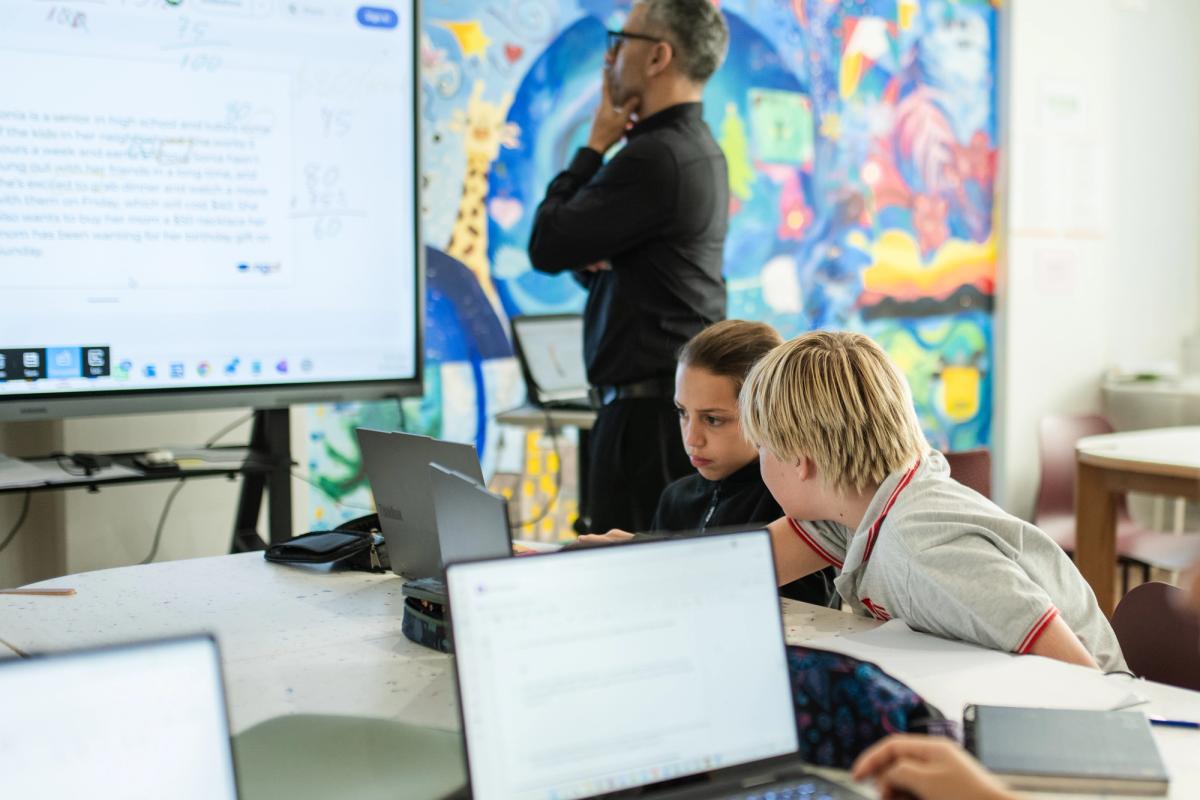
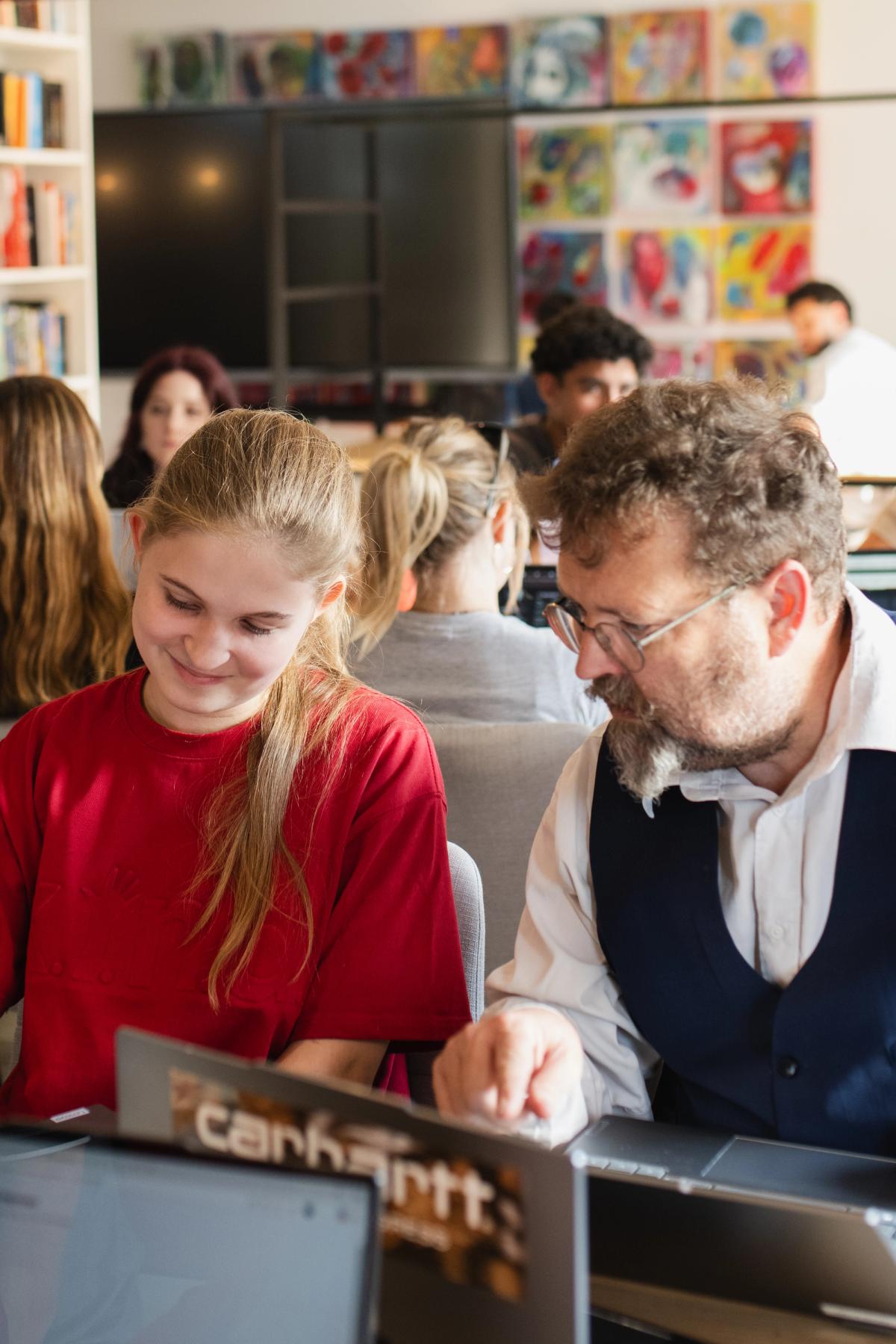
Students support each other and respect diversity. Teachers encourage creative thinking, problem-solving and the use of technology to solve real-world challenges. Structured learning pathways give strong foundations, and students are equipped to take ownership of their learning journey.
In the Discovery Programme
Our co-curricular Discovery Programme is designed to ignite passion, foster creativity and make real-world connections that deepen learning. Students explore arts, sports and emerging fields such as robotics and technology.
In the House System
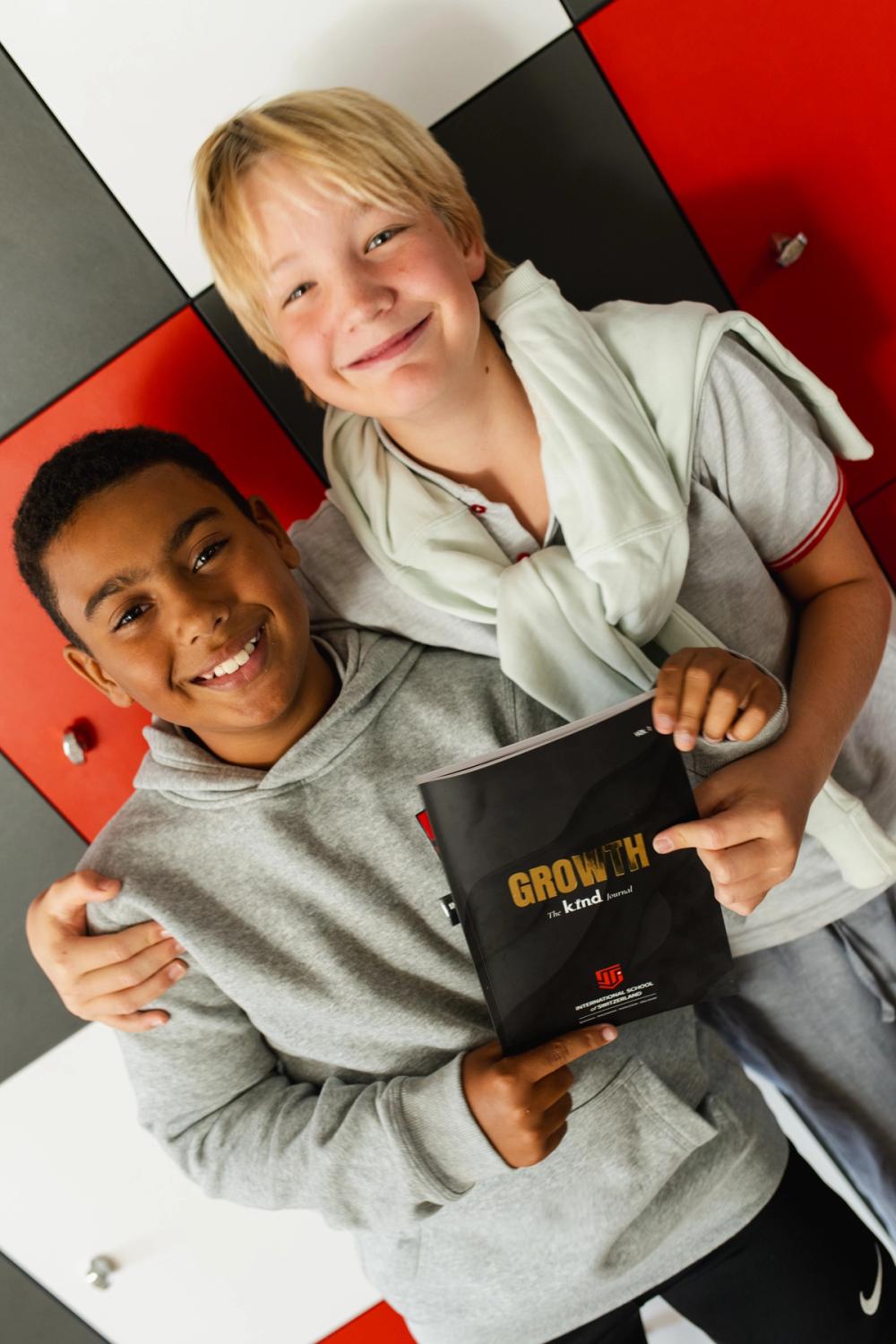
Rooted in the values of Kindness, Innovation, Navigation and Discovery, the House System is where students forge friendships, develop leadership skills and experience teamwork. It gives every student an opportunity to shine.
In projects and service
Service projects, collaborative learning and real-world connections teach students to lead with integrity and care. STEAM projects and problem-solving workshops let them practise innovating rather than reading about it.
The how, not the what
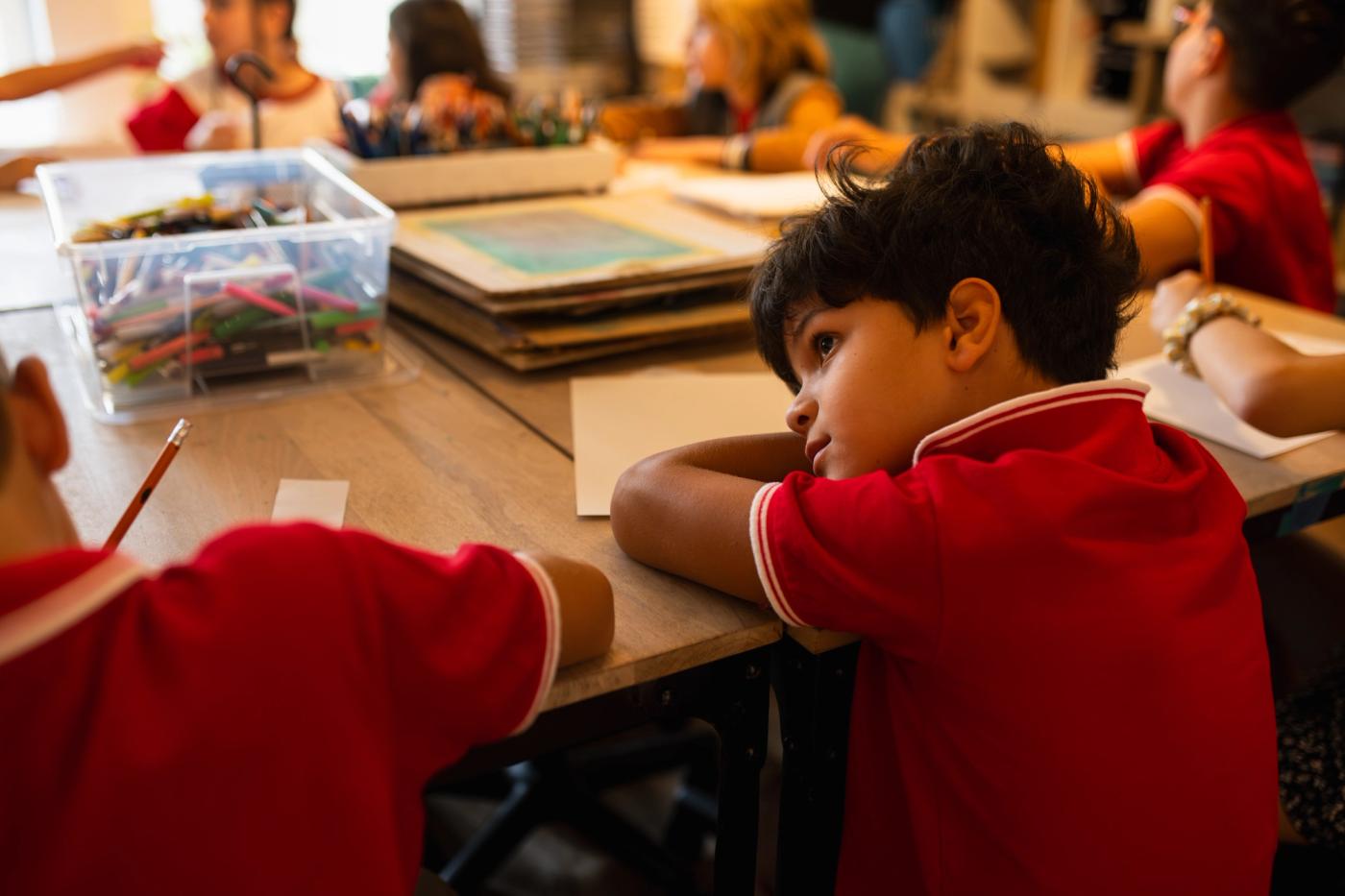
It helps to separate two things a school website often blurs. The curriculum is the what: Grades 1 to 12 in English and Italian, leading to International A-Levels or the IB Diploma. K.I.N.D. is the how: the way a lesson is planned, the reason the Discovery Programme is part of the school day, the basis on which the House System runs. It is not a subject on the timetable, it has no examination, and there is nothing extra to pay for it.
Every school publishes values. The useful question for a family is where they show up in a normal week. At ISS the honest answer is in four places a visitor can see: the classroom, the Discovery Programme included in tuition, the House System, and the projects and service work that end up in each student's Portrait of a Graduate portfolio.
One philosophy, every age
K.I.N.D. guides teaching in each stage of the school.
International School of Switzerland is a candidate school* for the PYP. This school is pursuing authorization as an IB World School. IB World Schools share a common philosophy- a commitment to high-quality, challenging, international education- that we believe is important for our students.
International School of Switzerland is a candidate school* for the MYP. This school is pursuing authorization as an IB World School. IB World Schools share a common philosophy- a commitment to high-quality, challenging, international education- that we believe is important for our students.
* Only schools authorized by the IB Organization can offer any of its four academic programmes: the Primary Years Programme (PYP), the Middle Years Programme (MYP), the Diploma Programme (DP), or the Career-related Programme (CP). Candidate status gives no guarantee that authorization will be granted. For further information about the IB and its programmes, visit www.ibo.org.
See K.I.N.D. in a classroom
A visit shows you more than any page can. Book one, or read the Principal's welcome first.
Details and questions
K.I.N.D. at a glance
| Principle | What the school means by it | Where a parent sees it |
|---|---|---|
| Kindness | A culture of respect and empathy; students learn to lead with integrity and care. | Service projects, collaborative learning, the House System. |
| Innovation | Technology and forward-thinking strategies as tools to tackle challenges creatively. | STEAM projects, problem-solving workshops, a laptop for every student. |
| Navigation | Discipline, foundational skills and academic rigour, with a pathway tailored to each student. | Grade 10 as the Pre-DP year, the choice between A-Levels and the IB Diploma, careers guidance. |
| Discovery | Curiosity and exploration, so that students find their strengths and passions. | The Discovery Programme, Masterclasses, arts, sports and university-level exposure. |
Each row links to a part of school life a family can visit and see.
Questions families ask about K.I.N.D.
What does K.I.N.D. stand for?
Kindness, Innovation, Navigation and Discovery. They are the school's founding principles and the framework for how every subject is taught.
Is K.I.N.D. a separate programme my child has to join?
No. K.I.N.D. is the approach behind the whole school, from primary lessons to the A-Level and International Baccalaureate years. There is nothing extra to sign up for and nothing extra to pay.
How does it show in everyday school life?
In how lessons are run, in the co-curricular Discovery Programme, in the House System and in service and STEAM projects. The table above shows which principle sits behind which part of the school day.
Is K.I.N.D. graded?
No. It is not a subject and has no examination. Grades belong to the curriculum; K.I.N.D. describes how that curriculum is taught.
Is this the same as the IB learner profile?
They are two different things that sit well together. The learner profile belongs to the IB programmes: the school is an IB World School for the Diploma Programme and a candidate school for the Primary Years and Middle Years Programmes. K.I.N.D. is the school's own framework and applies at every stage, whichever qualification a student takes at the end.
How does K.I.N.D. help with university applications?
Indirectly, through what it produces. Service work, projects and co-curricular activities are recorded in each student's Portrait of a Graduate portfolio, which is designed to feed university and career applications alongside grades.
What is the House System?
Every student belongs to a house, a community across year groups for friendship, leadership and teamwork. It is rooted in the K.I.N.D. values; the House System page explains how it works.
Can I see K.I.N.D. in action before applying?
Yes. A school visit takes you into lessons in progress and, in the afternoon, into the Discovery Programme. That is the quickest way to judge whether the values on this page match what happens in the building.