

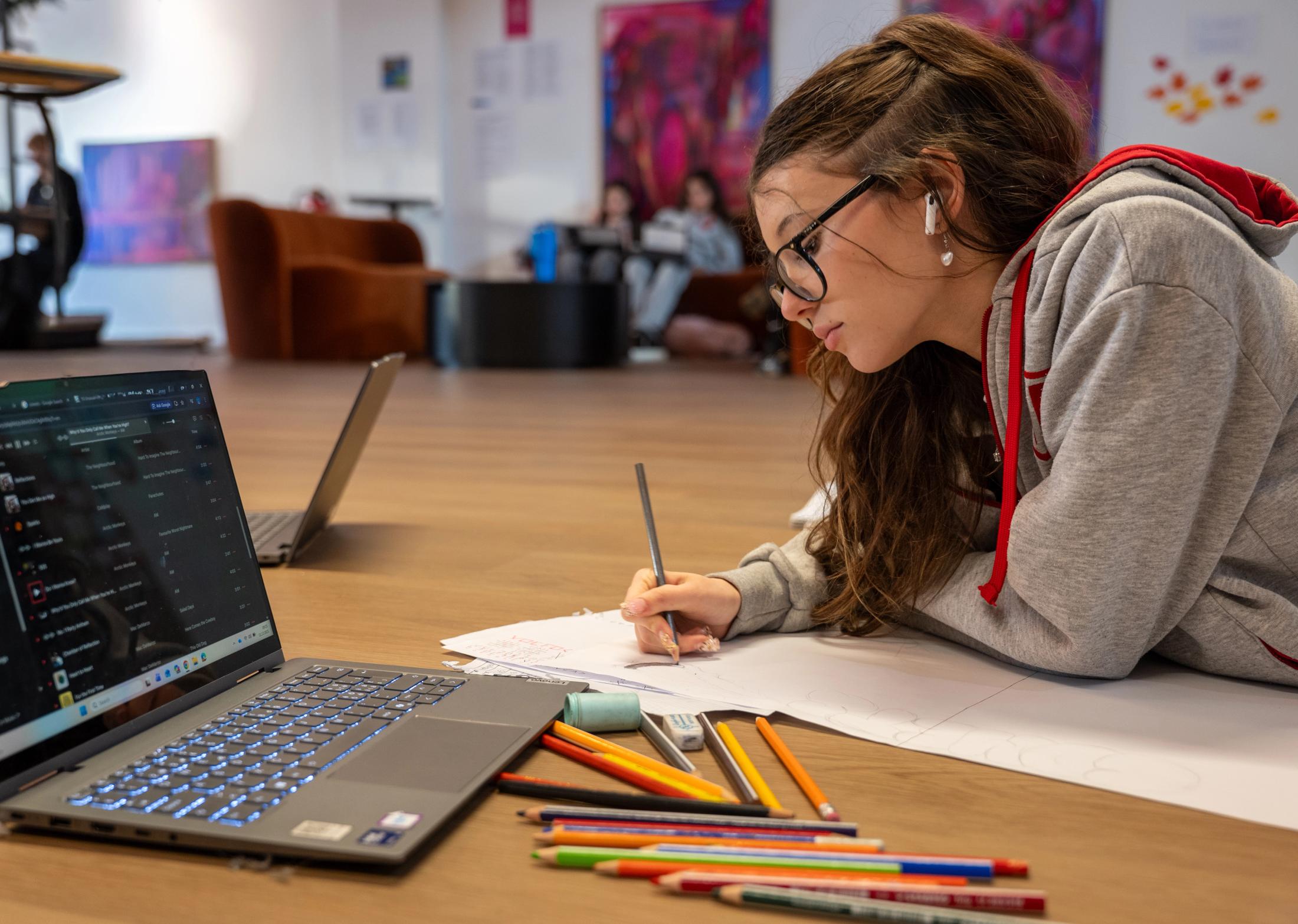
S.T.E.A.M. at our International School in Lugano
Science, technology, engineering, arts and mathematics, taught as one connected field rather than five separate subjects.
What STEAM means here
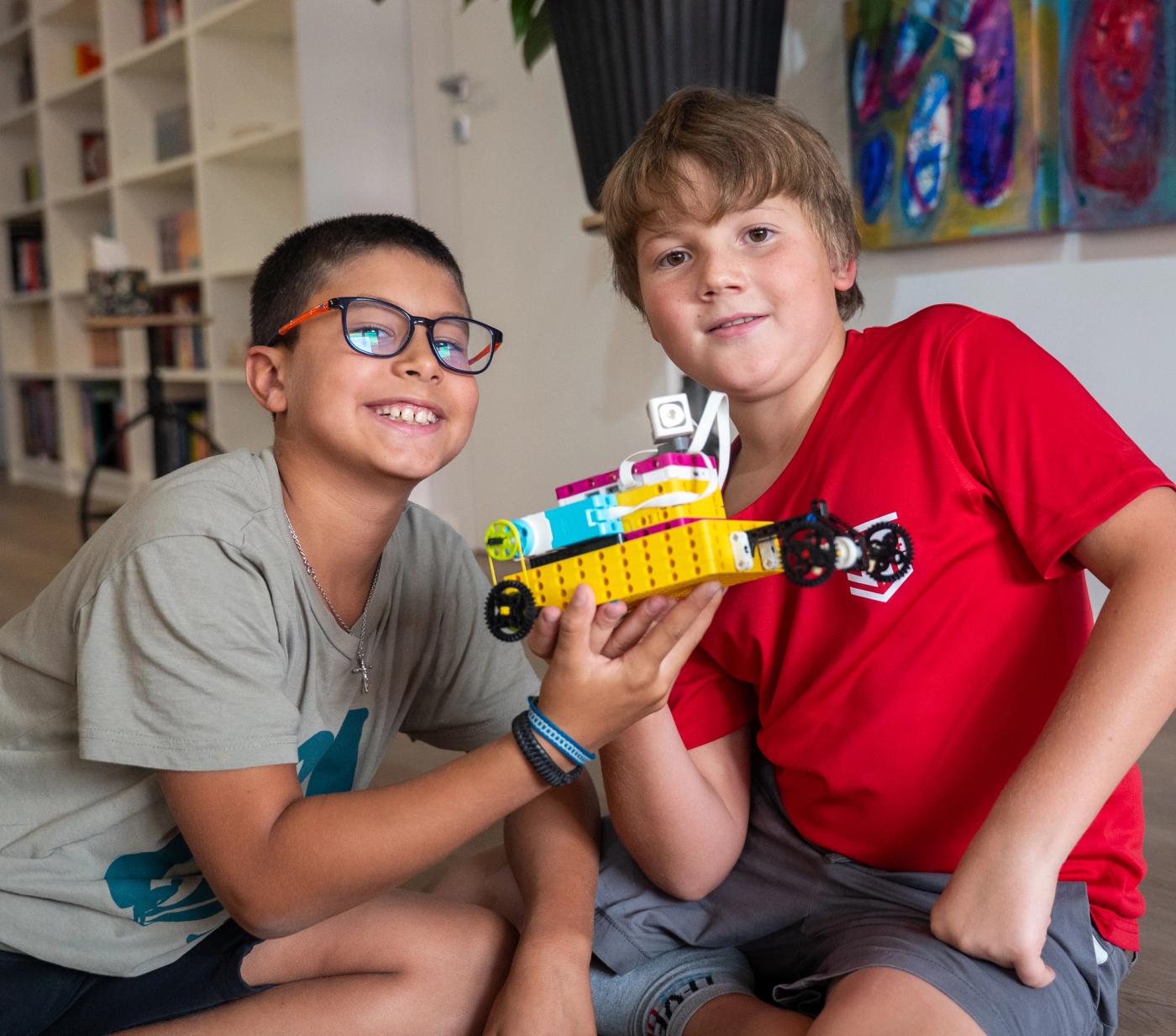
Our STEAM programme integrates hands-on learning across science, technology, engineering, arts and mathematics. Students explore the intersections between the disciplines, from science experiments to technology projects, and learn to work where the subjects meet, which is where most real problems sit. The aim is creativity, critical thinking and collaboration, and a habit of curiosity that lasts beyond school.
The A matters. Bringing the arts together with mathematics and science trains imaginative problem-solving, pattern recognition and abstraction, and it engages students who would not call themselves scientists. A design brief, a data visualisation or a piece of music built on a mathematical structure is STEAM in the same way a robotics build is.
The five disciplines

Science
Understanding how the world works, guided by curiosity: the foundation for innovation and for learning that continues after school.

Technology
Technical proficiency together with critical thinking, adaptability and creativity, so that students shape the digital world rather than only use it.
Engineering
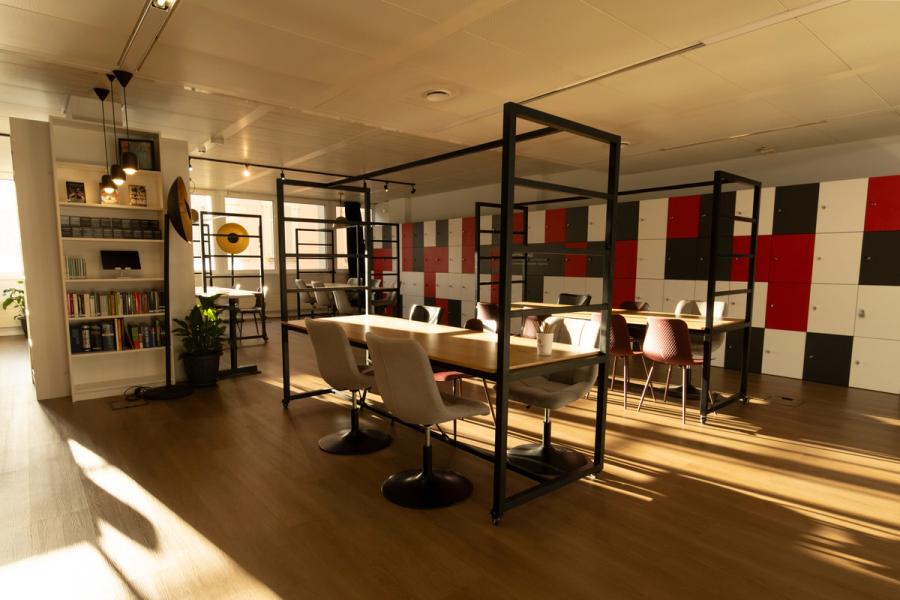
Logical thinking, objectivity and decision-making, and the transferable skills that engineering trains for careers well beyond engineering.
Arts
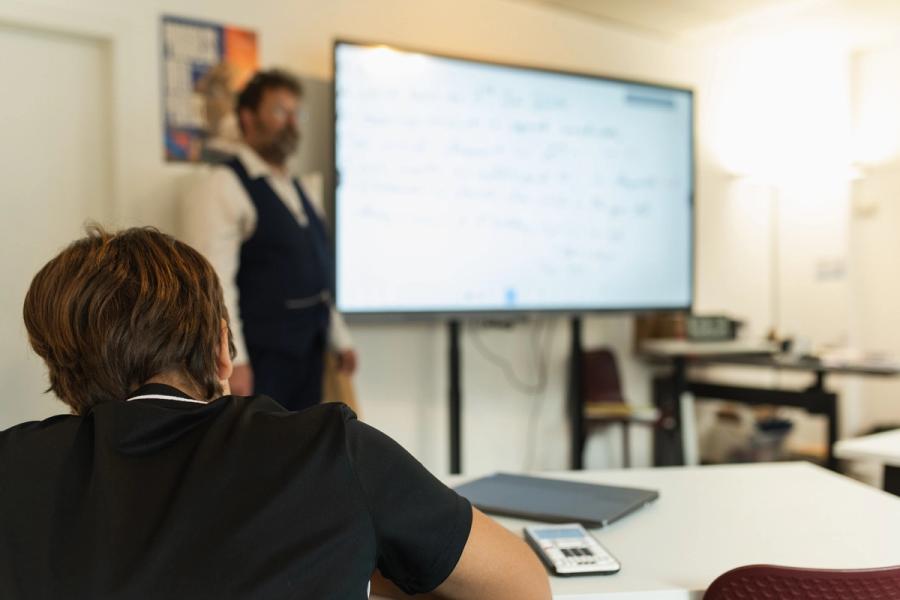
The interdisciplinary link between the arts and the more structured subjects: imaginative problem-solving and cross-disciplinary inspiration.
Mathematics
Personalised learning with real-world applications, continuous assessment and feedback, and integration with the other four disciplines.

STEM or STEAM?
Parents often meet both terms. STEM is the older one: science, technology, engineering and mathematics, grouped because they share methods and because economies keep asking for people trained in them. STEAM adds the arts, on the argument that design, creativity and communication are what turn technical skill into something useful. The school teaches STEAM; the sciences and mathematics inside it are as rigorous as in any STEM programme, and lead to the same A-Level and IB Diploma subjects.
Where STEAM continues
STEAM runs through the whole school; these pages show the stages and the programmes it connects to.

See a STEAM lesson
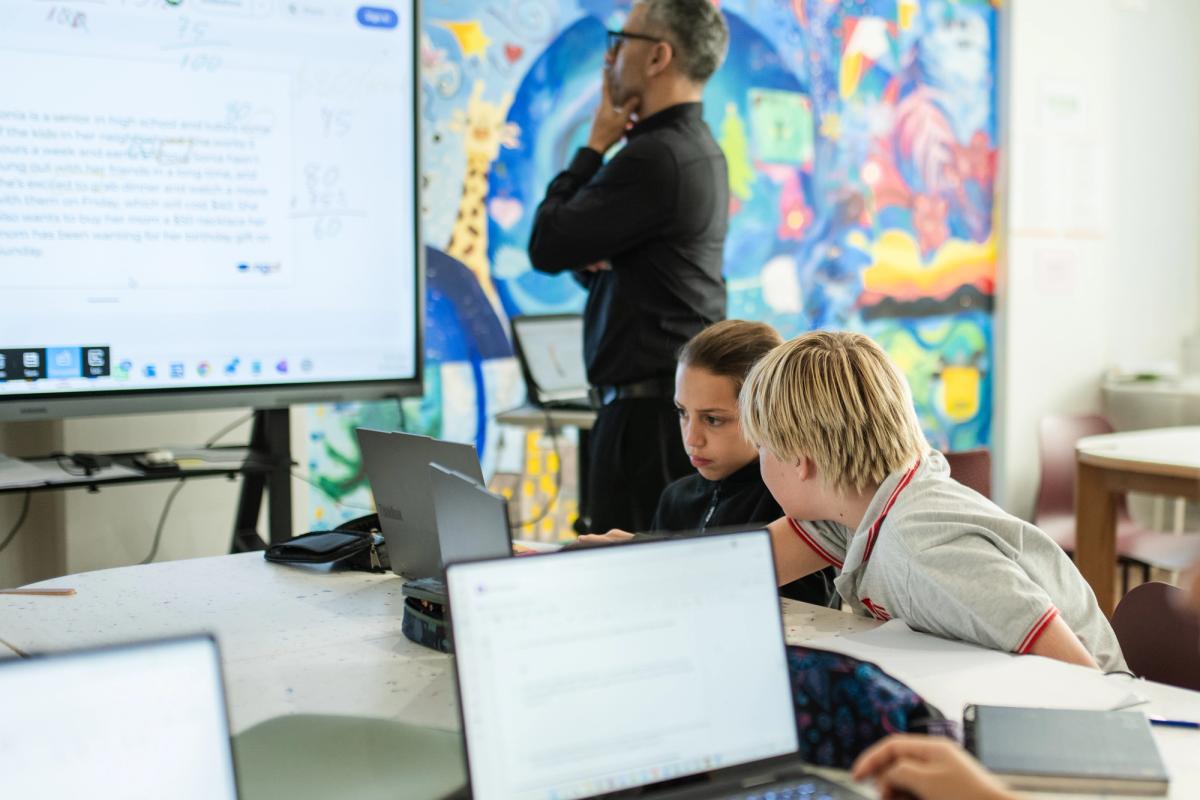
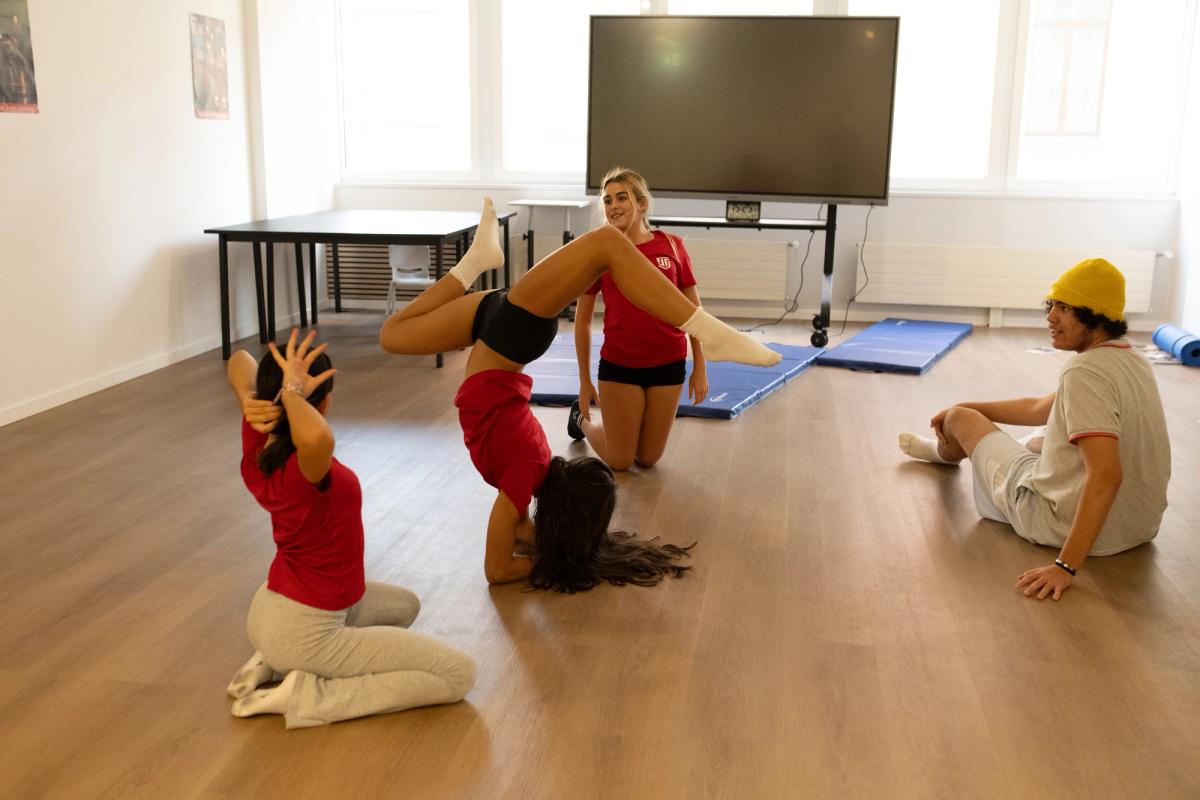
A morning in the Middle School shows more than this page. Come and see one.
Details and questions
- Year groups
- Grades 1-12
- Five disciplines taught as one connected field
- Core of the Middle School morning timetable
- Robotics and design in the Discovery Programme
- A laptop for every student, provided by the school
STEAM at a glance
| Stage | Where STEAM appears |
|---|---|
| Primary School, Grades 1 to 5 | Inquiry-based units, six a year, each ending in a project shared with the school community; robotics, design and the arts in the Discovery Programme. |
| Middle School, Grades 6 to 10 | STEAM is a core subject block in the morning timetable, alongside languages, history and geography; technology and robotics continue in the Discovery Programme. In Grade 10, the Pre-DP year, the sciences and mathematics prepare the diploma subjects. |
| Senior School, Grades 11 and 12 | The sciences and mathematics as A-Level or IB Diploma subjects; Masterclasses with practitioners in robotics and technology. |
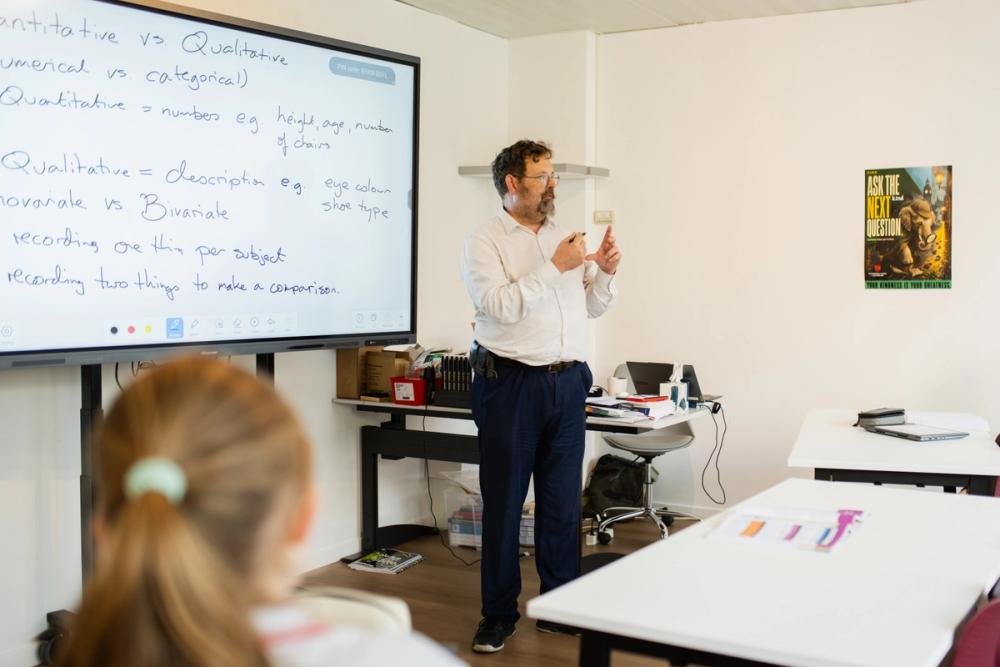
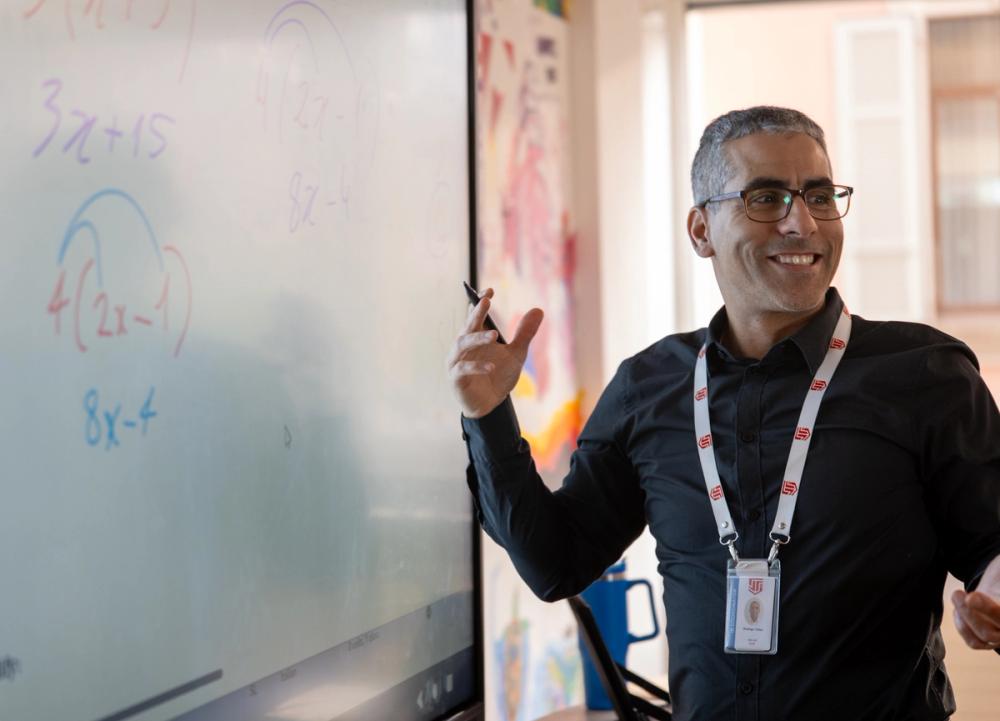
| Every stage | A laptop for each student, provided by the school, and large Smart TVs in every classroom. |
Which projects run in a given year is shared with families at the school.
Questions families ask about STEAM
What does STEAM stand for?
Science, technology, engineering, arts and mathematics. The point of the acronym is that the five are taught as connected subjects, not in isolation.
What is the difference between STEM and STEAM?
STEAM adds the arts to STEM. The sciences and mathematics are taught with the same rigour; the arts bring design, creativity and communication into the same projects.
Is STEAM a separate class?
In the Middle School it is a core block of the morning timetable. In the primary years it lives inside the units of inquiry, and in the Senior School it becomes the individual science and mathematics subjects of A-Levels or the IB Diploma.
Does the school teach coding and robotics?
Robotics and technology are part of the Discovery Programme, and Masterclasses in Grades 6 to 12 bring practitioners in robotics and technology into the school. Every student has a laptop provided by the school.
Is there a STEAM lab or centre?
The school's strategic plan includes a dedicated STEAM centre. What facilities are in use in the year your child would join is best seen on a visit.
My child is more interested in the arts. Is STEAM for them?
Yes. The arts are one of the five disciplines, not an add-on. Design, visual work and creative problem-solving are part of the projects, and the Discovery Programme covers the arts in their own right.
Does STEAM help with university applications?
Swiss universities admit on the school-leaving qualification, and for A-Levels they expect mathematics or a natural science among the subjects, so a strong STEAM foundation keeps that door open. Projects are recorded in the Portrait of a Graduate portfolio for applications that ask about experience.
Does STEAM cost extra?
No. It is part of the curriculum. The Discovery Programme is included in tuition and the laptop is provided by the school.